Both analyses agree the article contains detailed factual information about the Anastasia movement, such as land purchases and book sales, and cites official agencies. The critical perspective argues that the article uses emotionally charged language, selective framing, and timing to amplify a narrative of Russian influence, suggesting manipulation. The supportive perspective emphasizes the presence of verifiable data and balanced attribution, indicating credibility. Weighing the concrete evidence against the subjective assessment of tone leads to a moderate manipulation rating.
Key Points
- Both perspectives note specific factual details (e.g., €460,000 land purchase, 11 million book copies) that can be independently verified.
- The critical perspective highlights emotionally loaded descriptors and selective citation that may bias readers.
- The supportive perspective points to citations of reputable agencies (German BfV, Polish security services) and acknowledgment of uncertainties.
- Timing of publication relative to a Polish probe is flagged as potentially strategic by the critical view, but not examined further by the supportive view.
- Further context about alternative viewpoints and the article's overall tone is needed to resolve the divergence.
Further Investigation
- Obtain the full original article to assess the overall tone, balance, and presence of counter‑vantage perspectives.
- Cross‑check the cited facts (land purchase amount, book sales, agency statements) with independent sources.
- Analyze the publication timeline relative to the Polish probe to determine if timing was coincidental or purposeful.
The article employs emotionally charged language, selective framing, and omission of counter‑vantage perspectives to portray the Anastasia movement as a Russian‑backed, anti‑democratic threat, indicating manipulation patterns.
Key Points
- Loaded descriptors such as “anti‑democratic, patriarchal ideology” and repeated mentions of racism and antisemitism create fear and bias.
- Selective citation of German security agency warnings without presenting Polish official viewpoints or settlement residents’ testimonies.
- Framing the movement as a tool of Putin’s soft power, linking land purchases to Russian influence, while omitting broader context about the movement’s diversity.
- Use of anecdotal origin story and mystical elements to dramatize the founder, enhancing sensational appeal.
- Timing of publication shortly after a related Polish probe suggests strategic amplification of concern.
Evidence
- "The Russian sect known as the Anastasians promotes an anti-democratic, patriarchal ideology..."
- "In Germany, the movement is being investigated by the Federal Office for the Protection of the Constitution (BfV). But what about in Poland?"
- "A movement that Vladimir Putin himself supports — and claims to understand."
- "The book eventually sells 11 million copies worldwide..."
- "The article’s publication two days after Poland announced a probe into Russian‑linked land schemes aligns with that news cycle."
The article provides concrete details, cites official agencies (German BfV, Polish security services), and offers a nuanced historical narrative about the Anastasia movement, which are hallmarks of legitimate reporting.
Key Points
- Specific references to reputable institutions (e.g., Federal Office for the Protection of the Constitution, Polish Internal Security Agency) with no overt sensationalism.
- Inclusion of verifiable data points such as the €460,000 land purchase, book sales figures, and dates that can be cross‑checked.
- Balanced presentation of the movement’s origins, beliefs, and potential geopolitical links without issuing direct calls to action or presenting a single‑sided moral verdict.
- Use of attribution (e.g., "according to the Russian website Anastasia") and acknowledgment of uncertainties (e.g., "Whether Anastasia ever existed remains unknown").
- Contextual framing that situates the story within broader historical and geopolitical trends rather than isolated alarmist claims.
Evidence
- Citation of the German Federal Office for the Protection of the Constitution (BfV) investigating the movement.
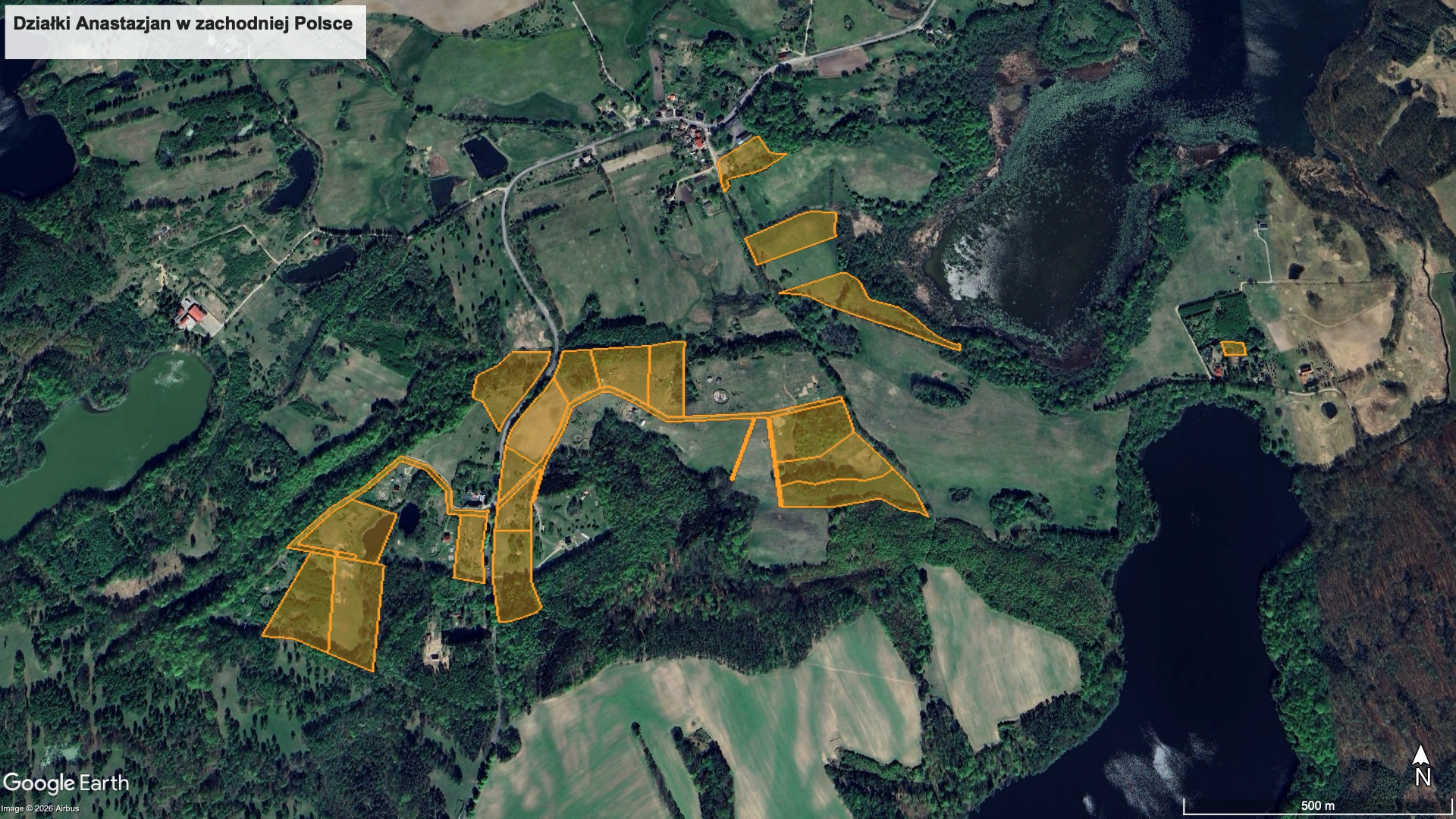
- Mention of a specific land transaction amounting to two million zlotys (~€460,000) and the leader’s disappearance to Russia.
- Detailed recounting of Vladimir Megre’s biography, the publication history of "The Ringing Cedars of Russia" (11 million copies, 20 translations), and the movement’s settlement model (one‑hectare plots).