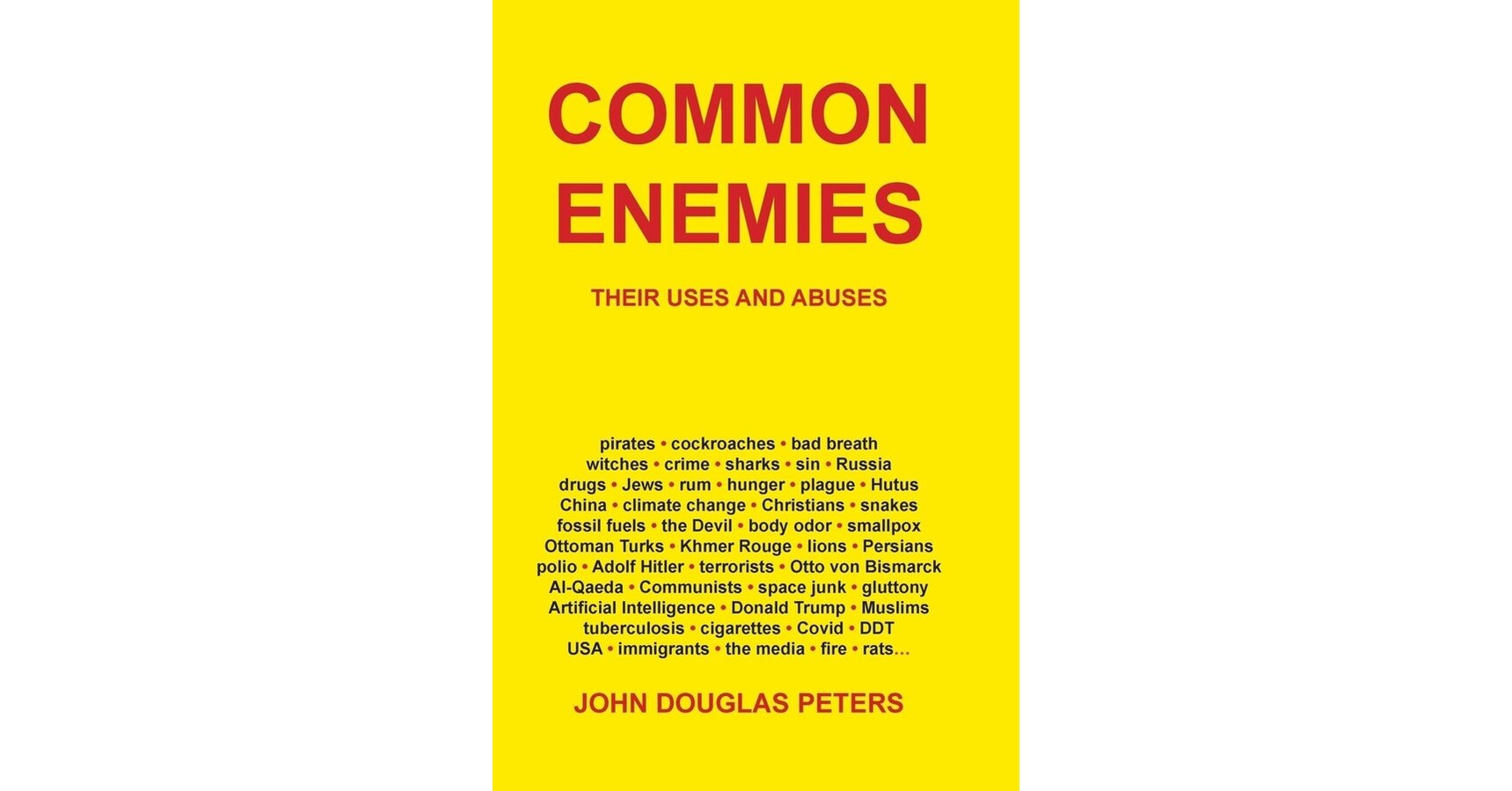
The critical perspective notes modest framing cues—such as us‑versus‑them language and fear‑related wording—that could subtly steer readers, while the supportive perspective emphasizes the press release’s conventional format, verifiable details, and lack of urgent or sensational language. Weighing these observations, the content shows only mild manipulation risk and is largely consistent with a standard, legitimate announcement.
Key Points
- The release provides clear, verifiable information about the book, publisher, and distribution service (supportive).
- It contains subtle framing elements, including "us versus them" phrasing and a fear‑related sentence about a common enemy (critical).
- No explicit calls to action, sensational urgency, or exclusive claims are present, limiting the impact of any manipulative cues.
- Both perspectives agree the overall tone is informational rather than overtly emotive.
Further Investigation
- Obtain the complete press‑release text to assess whether the framing language appears in broader context or is isolated.
- Verify the credentials of the author and the publisher to confirm the claimed expertise.
- Examine the distribution platform (24‑7PressRelease.com) for typical usage patterns and any history of promotional versus manipulative content.
The press release uses modest framing techniques—us‑versus‑them language, historical authority references, and fear‑related wording—to position the book as a needed guide, but the manipulation cues are relatively mild and typical of marketing copy.
Key Points
- Framing with "us versus them" narratives to create tribal division.
- Appeal to authority by invoking Machiavelli and positioning the author as an expert on historical manipulation.
- Use of fear‑related language (e.g., "gripped by the fear of a common enemy") to suggest urgency.
- Absence of counter‑perspectives or nuanced discussion, presenting a single viewpoint.
- Promotional tone that subtly encourages purchase without explicit calls to action.
Evidence
- "us versus them" narratives remain among the most powerful tools in persuasion and collective mobilization.
- "High and important values will be abandoned by civilized people gripped by the fear of a common enemy." (p. 109)
- Reference to Niccolò Machiavelli's *The Prince* as a historical authority on strategy.
- The release frames the book as essential for "understanding—and responsibly navigating—the psychological and political force of shared enemies."
- No mention of alternative viewpoints or critiques of the "common enemy" concept.
The content follows a standard press‑release format, provides verifiable details about the book, publisher, and distribution service, and lacks urgent or sensational language, indicating a legitimate communication rather than manipulative propaganda.
Key Points
- Clear attribution to an independent publisher (Treasure Press) and distribution service (24‑7PressRelease.com)
- Specific factual details such as release date, page count, price, and contact information are included
- The tone is informational and historical rather than emotive, with no calls for immediate action or fear‑based appeals
- Quotes are presented as excerpts from the book, not as unverified expert opinions
- The release does not present exclusive or novel claims that would require external verification
Evidence
- "DETROIT, March 2, 2026 /PRNewswire/ -- Treasure Press announces the release of Common Enemies – Their Uses and Abuses, a 165‑page nonfiction work..."
- "The book is available now on Amazon for $19.99. To request an interview with Mr. Peters or obtain a review copy, please contact [email protected]."
- "Press Release Service provided by 24-7PressRelease.com."