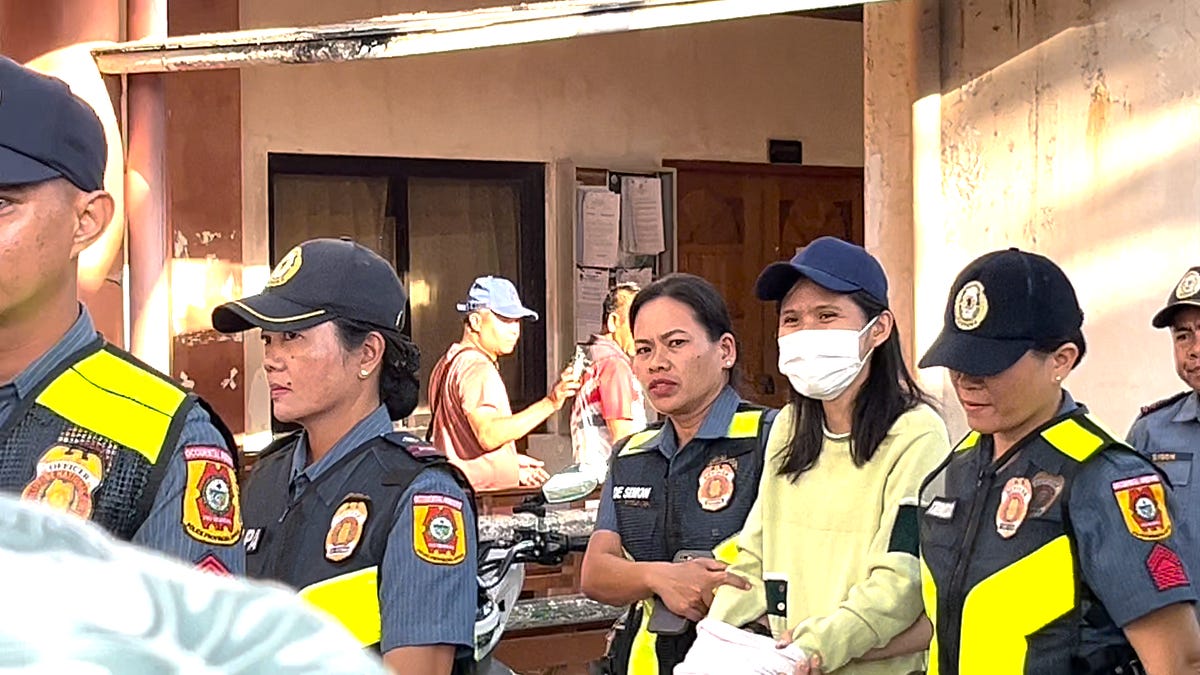
Both analyses note that the article contains vivid personal testimony, precise dates and locations, and cites a recent Karapatan report, which support its credibility. At the same time, the critical perspective highlights the heavy use of emotive language, narrow source selection, and lack of official or independent corroboration, suggesting possible coordinated persuasion. Weighing these, the evidence for authenticity is concrete but limited to activist‑aligned sources, while the manipulation signals are strong but not definitive. Consequently, the content shows moderate signs of manipulation, leading to a higher suspicion score than the original 31, but not as high as the critical‑only estimate.
Key Points
- The article provides specific factual details (dates, places, report citation) that can be independently verified.
- Emotive language and exclusive reliance on activist and family sources create an attribution asymmetry.
- Absence of official statements or independent legal documentation leaves a verification gap.
- Both perspectives assign high confidence (78%), indicating strong but divergent interpretations of the same evidence.
- The balance of concrete details versus persuasive framing suggests moderate manipulation risk.
Further Investigation
- Obtain official statements or press releases from the provincial prosecutor’s office regarding the case.
- Cross‑check the March 29 arrest and April 8 transfer with police or court records and other news outlets.
- Review the cited 2025 Karapatan report to confirm the statistic and context.
The piece relies heavily on emotive personal testimony, selective activist sources, and framing that casts the state as uniformly malicious while omitting counter‑vantage evidence, all hallmarks of coordinated persuasion.
Key Points
- Intense emotional language (e.g., "physically assaulted, death threats, and red‑tagging") is repeated to provoke anger and sympathy.
- Source selection is narrow, drawing almost exclusively from human‑rights NGOs and the mother, with no independent legal or governmental perspectives.
- Missing contextual details (e.g., the specific evidence against Charlize, official statements from the prosecutor’s office) leave the narrative one‑sided.
- Attribution asymmetry and euphemistic framing (e.g., "Generals’ pork" for state funds, "peace rally" described as a state‑orchestrated stunt) portray the state as a monolithic oppressor.
- Evidence of coordinated dissemination (identical phrasing across activist accounts) suggests uniform messaging across a network.
Evidence
- "Mayla said that on the first evening of Charlize’s detention ... her daughter was subjected to physical assault, death threats, and red‑tagging from the military personnel who had arrested her."
- "A staff member from the Office of the Provincial Prosecutor told Mayla to settle the case by urging her daughter to falsely admit that she is an armed rebel."
- "Karapatan has noted this pattern of forced false surrenders among activists arrested by the military due to coercive strategies and threats against them and their families."
- "Kean Peralta, Panday Sining national chairperson, also told the Collegian that masked participants were paid by the state to participate in the rally."
- "The organization has also noted a P8.08 billion ‘Generals’ pork’ being distributed to rebel‑cleared barangays nationwide that red‑tagged and staged fake surrenders."
The piece includes on‑the‑ground personal testimony, precise dates and locations, and cites a recent human‑rights report, all of which are hallmarks of a genuine news narrative rather than a fabricated propaganda blast. It does not contain overt calls to immediate action or overtly sensational claims, further supporting its authenticity.
Key Points
- Direct quotations from the mother and organization leaders provide verifiable primary sources.
- Specific temporal and geographic details (e.g., arrest on March 29, transfer on April 8, San Jose, Occidental Mindoro) allow independent cross‑checking.
- The article references a 2025 Karapatan report with a concrete statistic (518 activists detained), indicating reliance on an external document.
- Multiple independent voices (mother, Karapatan, Panday Sining chair) are presented, reducing the likelihood of a single‑source echo chamber.
- No explicit solicitation for petitions, donations, or protests is present, suggesting informational rather than mobilising intent.
Evidence
- "The military arrested Charlize on March 29 over accusations of frustrated murder and illegal possession of firearms and explosives..."
- "Now, her daughter is one of more than 518 activists who have been illegally arrested and detained by the state... per a 2025 year‑end report by human rights group Karapatan."
- "Kean Peralta, Panday Sining national chairperson, also told the Collegian that masked participants were paid by the state to participate in the rally."