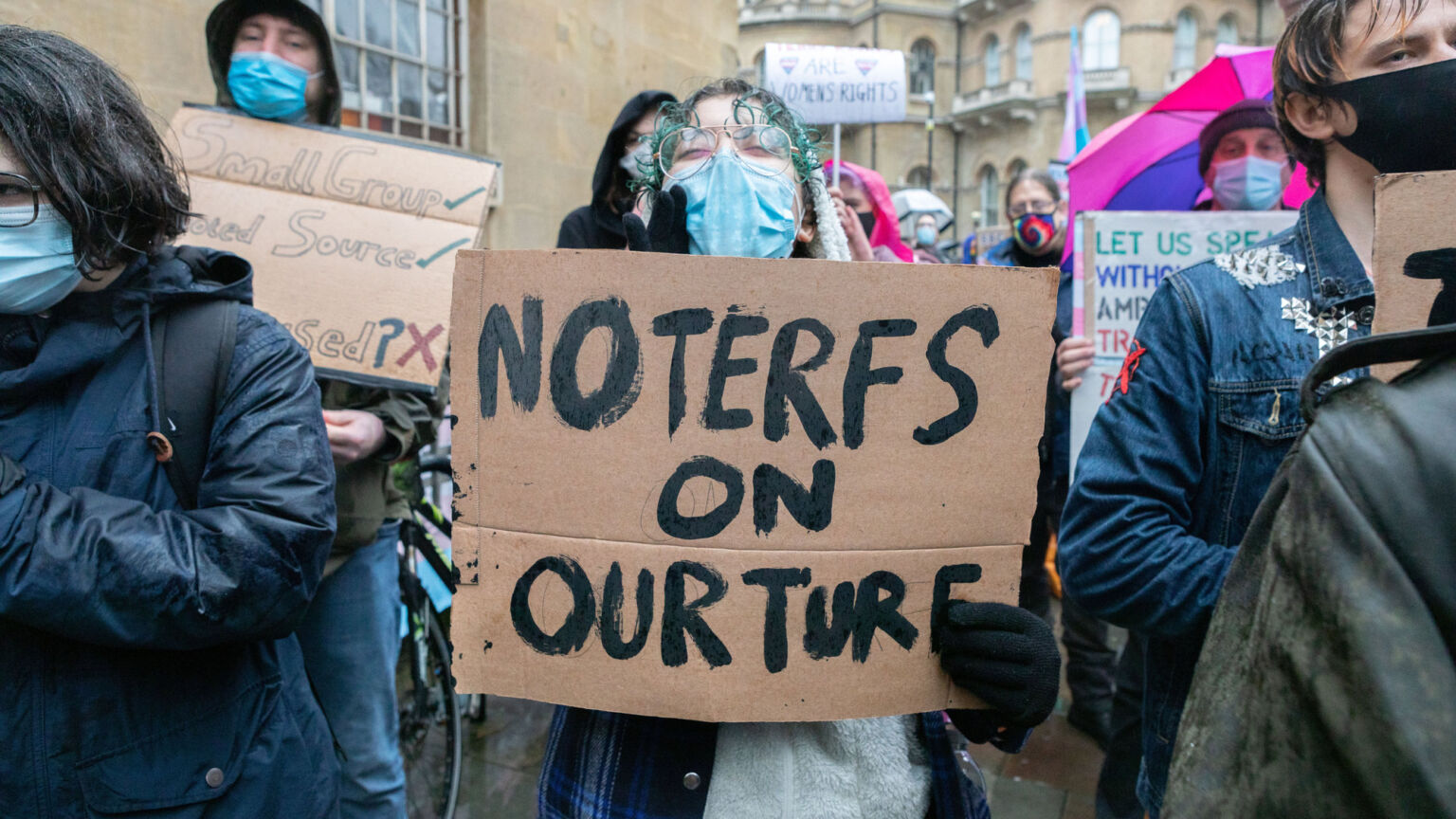
Both analyses agree that the article cites verifiable events and figures, but they differ on how those facts are presented. The critical perspective highlights the use of dehumanising metaphors, selective data, and omission of counter‑evidence, suggesting a coordinated manipulation effort. The supportive perspective points out concrete references to public records, legal rulings, and funding disclosures that can be independently checked, indicating a degree of factual grounding. Weighing the evidence, the piece appears fact‑based in many details yet framed in a highly charged way that amplifies fear and hostility toward trans activism. This mixed picture leads to a moderate manipulation rating, higher than the original 33 / 100 but lower than the critical estimate of 70 / 100.
Key Points
- The article includes multiple verifiable facts (court rulings, Charity Commission findings, specific funding amounts) that can be cross‑checked in public records.
- It employs loaded metaphors (e.g., “the Blob,” “cockroach emerging from the rubble”) and emotionally charged language that dehumanise the trans activist community.
- Selective presentation of scandal details and omission of any discussion of the clinical benefits of gender‑affirming care creates an unbalanced narrative.
- The framing benefits right‑leaning audiences and the publisher’s commercial interests, while the factual content benefits readers seeking concrete information.
- Overall, the presence of factual anchors mitigates, but does not erase, the manipulative framing, resulting in a moderate manipulation score.
Further Investigation
- Cross‑verify the cited funding amounts (£1.3 million to Mermaids, £500 k from the National Lottery, £15 k from DCMS, £1.39 million to Gendered Intelligence) in the relevant charities’ annual financial statements.
- Review the full Charity Commission report on Mermaids to assess the context of the ‘mismanagement’ finding and whether any misconduct was identified.
- Analyse the overall tone of the article quantitatively (e.g., proportion of emotive adjectives vs. neutral reporting) to gauge the extent of framing bias.
The article employs emotionally charged language, selective data, and metaphorical framing to portray the trans activist community as a monolithic, dangerous “Blob,” while omitting counter‑vailing evidence and emphasizing alleged scandals. These tactics point to a coordinated manipulation narrative aimed at rallying opposition and benefiting right‑leaning outlets.
Key Points
- Loaded metaphors (e.g., “the Blob,” “cockroach emerging from the rubble”) dehumanize the target and evoke disgust.
- Selective presentation of funding figures and scandal details without context creates a false impression of widespread corruption.
- Appeals to fear and urgency (“dangerous medical misinformation,” “grotesque safeguarding failures”) push readers toward immediate opposition.
- The piece benefits conservative audiences and the publisher’s own commercial interests (promotion of Spiked subscriptions and a summit).
- Missing information on clinical benefits of gender‑affirming care and broader charitable work skews the narrative.
Evidence
- "How the Blob keeps trans activism on life support"
- "like a cockroach emerging from the rubble of a post‑apocalyptic wasteland, the whole sordid movement continued to crawl along"
- "dangerous medical misinformation to kids"
- "the Charity Commission found that Mermaids was guilty of ‘mismanagement’, but not ‘misconduct’"
- "Prior to the investigation, Mermaids received at least £1.3million... the same bodies ... simply started funnelling their money into another trans charity"
The article references several verifiable public events—such as a Supreme Court ruling, the NHS review by Dr. Hilary Cass, and a Charity Commission inquiry—providing concrete dates, names, and figures. It also supplies specific funding amounts from identifiable public bodies, which can be cross‑checked in official financial disclosures.
Key Points
- Cites real, publicly documented legal and regulatory actions (Supreme Court decision, Charity Commission report, NHS review).
- Offers precise monetary figures and funding sources (National Lottery Community Fund, DCMS) that are traceable in public records.
- Names individual actors and incidents (Jacob Breslow, Darren Mew) that can be independently verified via media or social‑media archives.
- Acknowledges the newness and limited peer review of the Cambridge Circus Research report, indicating transparency about source credibility.
- Lacks explicit calls for immediate mobilization, focusing instead on reporting past events and upcoming research.
Evidence
- Reference to the Supreme Court ruling that defines a woman by biological sex under UK equality law.
- Mention of Dr. Hilary Cass’s 2022 interim report and 2024 final review on gender‑nonconforming youth treatment.
- Details of the Charity Commission’s investigation into Mermaids, including specific allegations and findings.
- Funding data: £1.3 million to Mermaids (2015‑2022), over £500 k from the National Lottery Community Fund, £15 k from DCMS, and a similar £1.39 million to Gendered Intelligence.