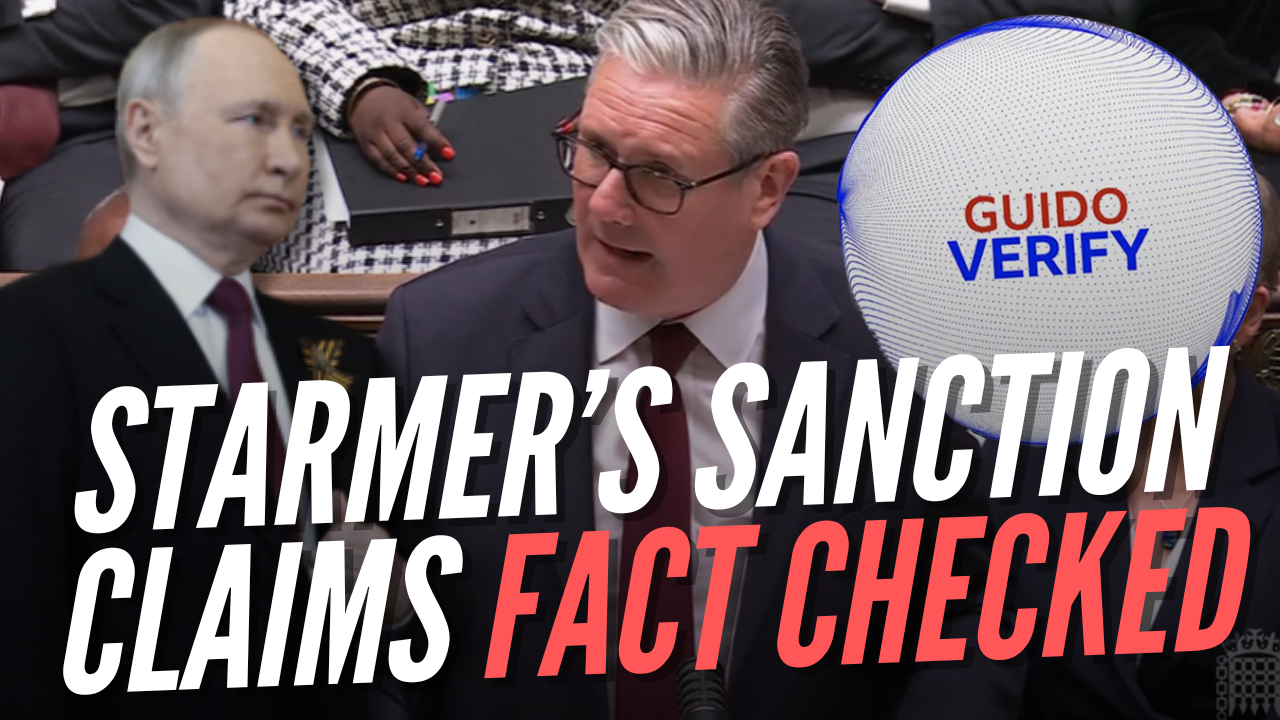
Both analyses agree the article cites the licence text and a Global Witness report, but they differ on interpretation. The critical perspective highlights charged language, selective framing, and timing that suggest manipulative intent, while the supportive perspective emphasizes the presence of primary sources and balanced quotations as signs of credibility. Weighing observable rhetorical cues against the factual anchors, the content shows moderate signs of manipulation.
Key Points
- The article uses emotionally charged phrasing (e.g., “panic across Whitehall”, “the opposite of short term”) that can amplify fear and tribal division.
- It does include verifiable primary material – a verbatim excerpt from paragraph 10 of the licence and a specific Global Witness figure (£123 million).
- Selective presentation of the £123 million figure without broader economic context creates a false‑dilemma framing between a “hypocritical” government and an “honest” Labour alternative.
- Both Labour and Conservative voices are quoted, which mitigates but does not eliminate the effect of the article’s overall framing.
- The timing of publication alongside other fuel‑related stories may indicate strategic amplification, though intent cannot be confirmed without further evidence.
Further Investigation
- Obtain independent economic analyses of the licence to see how the £123 million figure fits within the broader fiscal impact.
- Review the full licence document to assess whether the quoted paragraph is representative of its overall intent.
- Examine the publication timeline and editorial decisions to determine if the article’s release was coordinated with other fuel‑related stories.
The piece employs charged language, selective data and framing to portray the government’s licence as a deceptive, reckless move while casting Labour as the honest alternative. It omits key economic context and uses rhetorical tricks that amplify anger and tribal division.
Key Points
- Charged wording (e.g., “panic across Whitehall”, “the opposite of short term”) creates fear and anger
- Selective use of a single £123 million figure from Global Witness without presenting the licence’s stated economic rationale
- Framing the issue as a binary conflict between a hypocritical government and honest Labour leaders, a classic false‑dilemma
- Appeal to authority by citing Global Witness and the licence text while ignoring independent expert analysis
- Timing of publication coincides with other UK fuel‑related stories, suggesting strategic amplification
Evidence
- "panic across Whitehall would disagree…"
- "The opposite of short term…"
- "Global Witness calculated that in 2023, the UK imported some 5.2 million barrels… providing the Kremlin with around £123 million in tax revenue."
- "Starmer said: “this is not a question of lifting existing sanctions in any way whatsoever.”"
- "Paula Barker… told Times Radio there wouldn’t be trouble from the markets… ‘The markets will have to fall in line.’"
The piece includes concrete references to official licence language, cites a reputable NGO (Global Witness), and quotes multiple political figures, which are hallmarks of genuine reporting rather than pure propaganda.
Key Points
- Specific primary source excerpts (e.g., paragraph 10 of the licence) are reproduced verbatim, indicating direct document consultation.
- The article cites an external analysis (Global Witness) with a precise monetary figure, showing reliance on third‑party data.
- Both Labour and Conservative perspectives are presented – Starmer’s defence and a counter‑claim about “panic across Whitehall” – without an explicit call for immediate public action.
- The narrative provides contextual timing (licence start date, October announcement) that aligns with known policy timelines, suggesting a factual grounding.
Evidence
- “Paragraph 10 of the licence states: ‘This licence comes into force on 20 May 2026…’" – direct quotation from the licence document.
- "Global Witness calculated that in 2023, the UK imported some 5.2 million barrels… providing the Kremlin with around £123 million in tax revenue" – citation of a recognized watchdog report.
- Quotes from Keir Starmer and Paula Barker are included, giving voice to the political actors involved rather than relying solely on anonymous or unnamed sources.