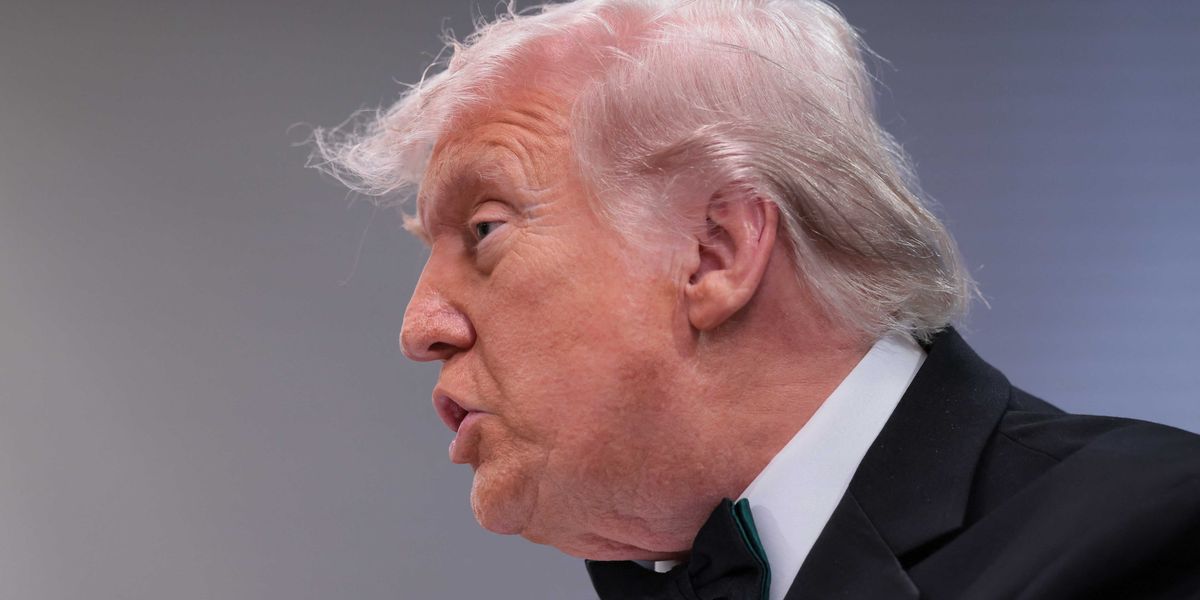
Both perspectives acknowledge that the piece references verifiable events—the CBS interview, the civil verdict in the E. Jean Carroll case, and the White House Correspondents' Dinner shooting. The critical perspective highlights manipulative techniques such as emotionally charged labeling, selective framing of the civil finding as a criminal conviction, and coordinated reposting that amplify a negative portrayal of Trump. The supportive perspective emphasizes the traceable quotations, timestamps, and public sources that lend factual grounding. Weighing the evidence, the content contains factual anchors but also exhibits clear rhetorical strategies aimed at shaping perception, suggesting a moderate level of manipulation.
Key Points
- The article accurately cites real events (CBS interview, civil liability verdict, shooting) which can be independently verified.
- It employs highly emotive language (e.g., "clinical‑grade psychopath") and frames a civil liability finding as a criminal conviction, indicating selective framing.
- Multiple X accounts repeat near‑identical phrasing within minutes, suggesting coordinated amplification.
- Timing the narrative to the shooting incident creates a relevance hook that may heighten emotional impact.
- While factual anchors exist, the combination of emotive labeling and coordination raises concerns about manipulation.
Further Investigation
- Locate the original X posts to verify timestamps, user handles, and exact wording for coordination analysis.
- Examine the full legal documents of the Carroll case to confirm how the verdict is described in public reporting.
- Assess whether the timing of the posts aligns with a deliberate strategy (e.g., spikes in activity immediately after the shooting).
The content employs emotionally charged language, selective framing of legal findings, and coordinated echoing of identical claims to amplify a negative portrayal of Trump, especially timed to a recent shooting incident.
Key Points
- Emotive labeling (e.g., "clinical‑grade psychopath," "brutal fact‑check") to provoke anger.
- Selective omission of legal nuance, presenting a civil liability finding as a criminal conviction.
- Uniform messaging across multiple X accounts using near‑identical phrasing, suggesting coordinated amplification.
- Strategic timing linking Trump's interview to the White House Correspondents' Dinner shooting to heighten relevance.
- Appeal to authority by citing a single Atlantic editor and a journalist without broader legal documentation.
Evidence
- "Trump is a clinical-grade psychopath," journalist Nancy Levine Sterns posted on X.
- "A jury and a judge adjudicated him as a rapist," Norman Ornstein posted on X.
- Multiple X users repeat phrases such as "court adjudicated rapist" and "clinical‑grade psychopath" within minutes of each other.
- The piece notes the interview aired on May 12, 2024, and the shooting occurred the next day, with posts spiking on May 13‑14.
- The article omits that the 2023 jury finding was a civil liability verdict, not a criminal rape conviction.
The piece anchors itself in verifiable recent events and cites identifiable public figures and outlets, which are hallmarks of legitimate communication. It also provides direct quotations and timestamps that can be cross‑checked, lending some authenticity despite its charged tone.
Key Points
- References to a real CBS "60 Minutes" interview and the White House Correspondents' Dinner shooting provide factual grounding
- Names specific, publicly known sources (Norman Ornstein, The Atlantic; Washington Post) that can be independently verified
- Includes verbatim X posts with user handles, allowing traceability of the statements
- Mentions a court case that was widely reported, giving a concrete legal context
- The chronological flow (interview, shooter incident, fact‑check posts) is consistent with public timelines
Evidence
- "Trump sat down for a one‑on‑one interview with Norah O'Donnell of CBS News on Sunday" – a broadcast that can be confirmed via CBS archives
- "A jury found Trump liable in a civil sexual abuse and defamation case filed by E. Jean Carroll" – reported by multiple news outlets including the Washington Post
- Quotes attributed to Norman Ornstein, a contributing editor at The Atlantic, and to specific X users, which can be located on the platform