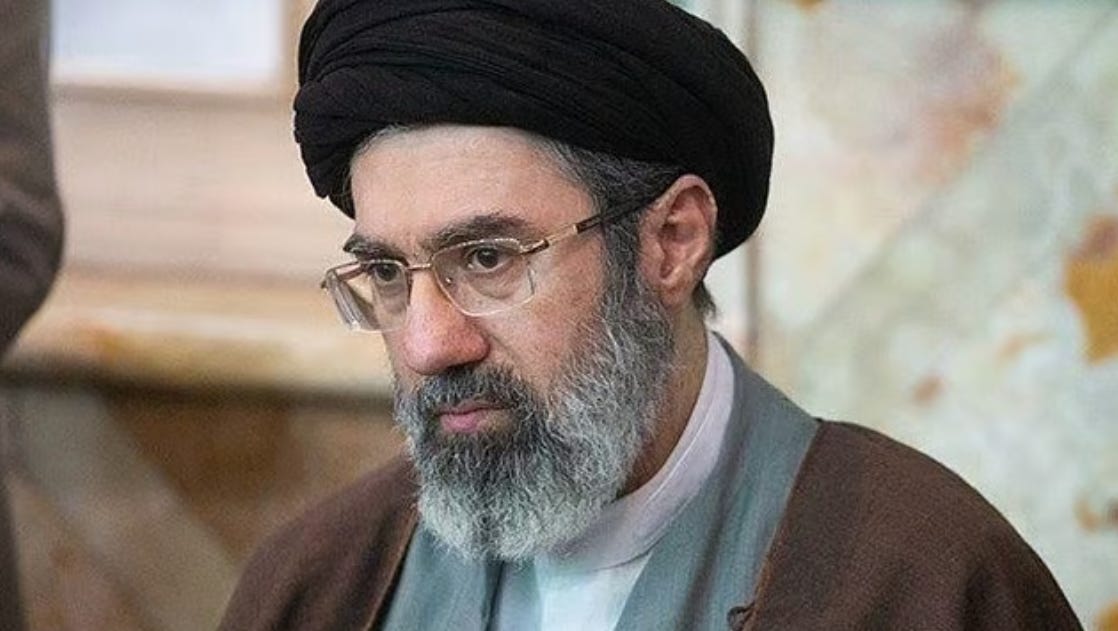
Both analyses recognize that the article mixes specific‐looking details (timestamps, photo credit, real‑world names) with sensational language and numerous vague, unnamed sources. While the supportive perspective points to these concrete elements as signs of legitimate reporting, the critical perspective highlights the same features as potential red flags because they are not backed by verifiable evidence. Weighing the lack of source transparency and the binary, fear‑inducing framing against the superficial factual veneer leads to a conclusion that the piece shows moderate‑to‑high levels of manipulation.
Key Points
- Both perspectives note sensational phrasing (e.g., "shocking letter," "dead or alive") and reliance on unnamed sources.
- The supportive view cites concrete details (exact times, photo credit, real institutions) as authenticity cues, but these details are not independently verifiable in the text.
- The critical view emphasizes the absence of verifiable citations, visual proof, and balanced context, suggesting bias and manipulation.
- The article frames the Iran‑Israel conflict in a stark good‑vs‑evil narrative, reinforcing tribal divisions.
- Verification of the alleged letter, cited newspaper articles, and photo provenance is necessary to resolve the credibility gap.
Further Investigation
- Locate the alleged "shocking letter" from the Prime Minister’s Office and verify its authenticity.
- Search for the referenced articles in The Times and The New York Times to confirm whether they reported the claimed details.
- Check the provenance of the photo credited to Dor Pazuelo/Flash90 (e.g., reverse‑image search) to see if it matches the described event.
The piece employs sensational language, vague authority citations, and selective framing to portray a dramatic narrative about Iranian leadership while amplifying Israeli actions, indicating multiple manipulation cues.
Key Points
- Uses alarmist phrasing (e.g., "shocking letter," "vanished," "dead or alive") to evoke fear and intrigue
- Relies on unnamed sources and vague references to reputable outlets without verifiable links, creating an authority overload
- Presents a binary choice about Mojtaba Khamenei’s status, omitting alternative explanations and context
- Frames Israel as a righteous defender and Iran/Hezbollah as sinister, reinforcing tribal division
- Omits concrete evidence (no visual proof, no official statements) while asserting detailed intelligence claims
Evidence
- "a shocking letter has just been released by the Prime Minister’s Office... his medical team has just released a signed statement confirming that he is now cancer‑free."
- "senior Iranian insiders" and vague mentions of "The Times" and "The New York Times" without specific articles
- "the narrative has essentially frozen there... the regime has subsisted entirely on ventriloquism—statements attributed to the new Supreme Leader without a single visual confirmation"
- "Israel’s presence in southern Lebanon has two objectives: protect northern residents... and choke Hezbollah’s ‘logistical oxygen line.’"
- "All that fantastic, detailed intel—even the candid admissions of severe injury in The New York Times—is carefully calibrated Iranian disinformation."
The article contains a few surface‑level hallmarks of genuine reporting—specific timestamps, photo attribution, and references to known public figures—but it overwhelmingly relies on unnamed sources, vague citations, and sensational language that undermine its credibility.
Key Points
- It includes concrete details such as exact times ("9:32 a.m., February 28") and a photo credit ("Dor Pazuelo/Flash90"), which are typical of legitimate news pieces.
- The piece mentions real‑world events and institutions (Netanyahu, the Assembly of Experts, The New York Times) that can be cross‑checked, suggesting an attempt to anchor the story in reality.
- There is a nominal effort to present multiple perspectives, e.g., noting both Israeli intelligence assessments and Iranian official statements, which can be a sign of balanced reporting.
Evidence
- The opening paragraph cites a "shocking letter" allegedly released by the Prime Minister’s Office and provides a specific date (April 24) and a photo credit for the Netanyahu ceremony image.
- The narrative references the Assembly of Experts voting "safely online" and a joint U.S.–Israeli diplomatic memo "reported by The Times," indicating the author is trying to tie the story to recognizable sources.
- The article ends with a factual‑sounding update on a cease‑fire extension announced by Donald Trump, a verifiable political development.