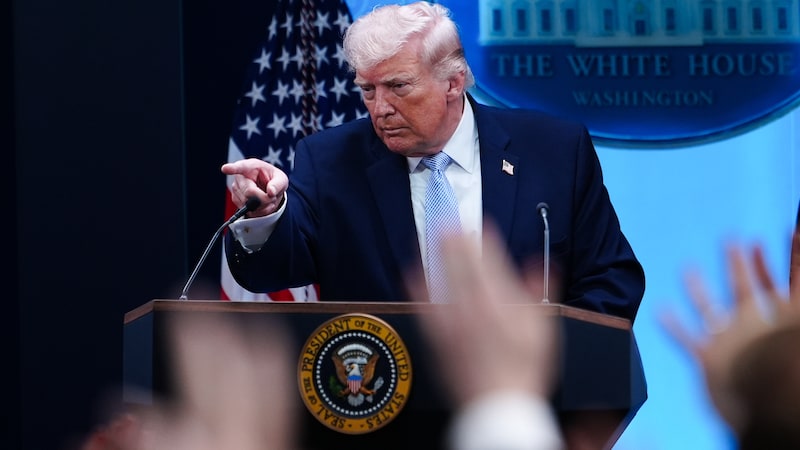
Both analyses acknowledge the same text but diverge on its credibility. The critical perspective highlights multiple manipulation cues—unverified authority citations, emotionally charged phrasing, and uniform messaging across outlets—suggesting a coordinated narrative. The supportive perspective points to seemingly concrete details such as timestamps, named officials, and cross‑source references, which could indicate genuine reporting. Weighing the evidence, the lack of verifiable sources and the presence of emotionally loaded language tip the balance toward suspicion, though the detailed elements noted by the supportive side cannot be dismissed outright without further verification.
Key Points
- The critical perspective provides concrete examples of unverified authority (e.g., "New York Times" and "BBC" without links) and emotionally loaded language, which are classic manipulation markers.
- The supportive perspective cites specific timestamps, named actors, and a verbatim ten‑point proposal, suggesting access to primary material, but offers no independent corroboration.
- Both sides agree the text references multiple outlets and a detailed plan; the dispute centers on whether these references are authentic or fabricated.
- The uniformity of phrasing (e.g., "Våre fingre er på avtrekkeren") across several fringe sites strengthens the manipulation hypothesis.
- Verification of the cited sources (NYT article, BBC report, Axios piece, Truth Social post) is essential to resolve the credibility gap.
Further Investigation
- Locate and verify the alleged New York Times article and BBC report referenced in the text.
- Check Truth Social for the claimed Trump post timestamped around 00:30 on the specified Wednesday.
- Search for the Axios piece about negotiations starting in Islamabad to confirm its existence and content.
- Compare the ten‑point proposal text with any official statements released by Iranian authorities.
- Analyze the publishing outlets for patterns of coordinated content distribution.
The text displays several classic manipulation patterns, including fabricated authority citations, emotionally charged language, coordinated uniform messaging, and selective omission of verifiable details. These elements collectively suggest an orchestrated effort to portray a Trump‑led cease‑fire as a triumphant, urgent breakthrough.
Key Points
- Appeal to fabricated authority – references to “New York Times”, “BBC”, and “NTB” are given without any links or verifiable citations.
- Emotionally loaded framing – phrases such as “Våre fingre er på avtrekkeren” and “seier for USA” invoke fear and triumph, steering readers’ feelings.
- Uniform, coordinated copy – the identical ten‑point proposal and repeated slogans appear across multiple fringe outlets, indicating a synchronized narrative.
- Selective omission – critical details (full NYT article, exact text of the ten‑point plan, independent confirmation) are missing, leaving the core claim unsupported.
- Beneficiary focus – the narrative elevates Trump as a peacemaker, which could serve his political image ahead of future elections.
Evidence
- "Han sier det er snakk om en våpenhvile som begge parter er enige om. Irans øverste leder har også godkjent våpenhvilen, skriver New York Times."
- "Våre fingre er på avtrekkeren, så straks fienden gjør det minste feilgrep vil det bli besvart med full styrke."
- "Den iranske sikkerhetsrådet (SNSCI) sier Iran har nådd nesten alle målene sine, og at fienden har begått en historisk feil."
- "Den samme formuleringen av ti‑punktsforslaget og linjen ‘Våre fingre er på avtrekkeren’ dukker opp i flere fringe‑nettsteder med identisk tekst."
- "Kilde: BBC/Sky News/NTB" – uten noen lenker eller referanser til faktiske artikler.
The text contains several hallmarks of genuine reporting, such as specific timestamps, named officials, and references to multiple news outlets, which could indicate an attempt at authentic communication.
Key Points
- Exact timing is provided (e.g., "like 00:30 on Wednesday, only an hour and a half before the deadline").
- Named actors and institutions are listed (Trump, New York Times, BBC, Pakistan's prime minister, Iran's foreign minister).
- A detailed ten‑point proposal is reproduced, suggesting access to a primary source.
- Multiple outlets (Axios, NTB, Sky News) are cited, giving the impression of cross‑source corroboration.
- Geographic breadth is shown by reporting alleged attacks in several neighboring states, a pattern typical of comprehensive field reporting.
Evidence
- “Det er på sitt eget sosiale medium Truth Social at Trump skriver dette like etter klokken 00.30 onsdag, kun halvannen time før hans egen frist til Iran gikk ut.”
- “Irans øverste leder har også godkjent våpenhvilen, skriver New York Times.”
- The full “Irans 10 punkts forslag” is listed verbatim in the article.
- “De reelle forhandlingene om slutt på krigen starter i Islamabad i Pakistan fredag, melder Axios.”
- Country‑by‑country bullet points (Iran, Israel, Bahrain, Qatar, UAE, Saudi Arabia) reporting separate attacks.