Both analyses agree that the article contains emotionally charged language and references to a minister’s remarks, a 2014 whistle‑blowing report, and police involvement. The critical perspective emphasizes manipulation tactics—emotive framing, authority appeals, urgency, and selective data—while the supportive perspective points out that the quoted elements could be independently verified (e.g., Hansard, FOI requests). Because the article’s factual claims have not been independently confirmed, the balance tilts toward a moderate level of manipulation, though some genuine reporting elements may be present.
Key Points
- The piece uses strong emotive language (e.g., “shocking,” “cover‑up,” “weeping”) that can bias readers – a hallmark of manipulation noted by the critical perspective.
- It cites specific, potentially verifiable sources (minister’s speech, 2014 whistle‑blowing report, Thames Valley Police) which the supportive perspective highlights as signs of authenticity.
- Both perspectives note a lack of independent corroboration for the core allegations, leaving the factual basis uncertain.
- Selective presentation of data (highlighting alleged dangerous radiation levels without providing measurements) reinforces the critical view of bias.
- The urgency and calls for immediate inquiry may be genuine concern or a rhetorical device to pressure action; without external evidence, its intent remains ambiguous.
Further Investigation
- Obtain the 2014 whistle‑blowing report from the Atomic Weapons Establishment (or confirm its existence via FOI) to verify its contents and relevance.
- Check the Hansard record for the exact wording of Minister Louise Sandher‑Jones’s speech to confirm the quoted statements.
- Contact Thames Valley Police or review public statements to determine whether criminal complaints have indeed been lodged and their scope.
- Seek independent expert analysis on the alleged radiation levels to assess whether the article’s claims are supported by scientific data.
The piece uses emotionally charged language, appeals to authority and urgency, and omits key factual details to frame the government as a malicious cover‑up and veterans as victims. These tactics create a polarized narrative that pressures readers toward a specific political stance.
Key Points
- Emotive framing with words like “shocking,” “cover‑up,” and descriptions of the minister “weeping” to provoke outrage
- Reliance on authority figures (minister, MPs, police) without independent verification of the whistle‑blowing report
- Urgent calls for immediate inquiry, compensation, and legislation that suggest a crisis needing rapid action
- Selective presentation of data – highlighting alleged dangerous radiation levels while omitting actual measurements, scope, or counter‑expert analysis
- Creation of an us‑vs‑them divide by casting the government and its lawyers as deceitful oppressors and veterans as heroic victims
Evidence
- "Minister admits government lawyers knew about radiation cover-up"
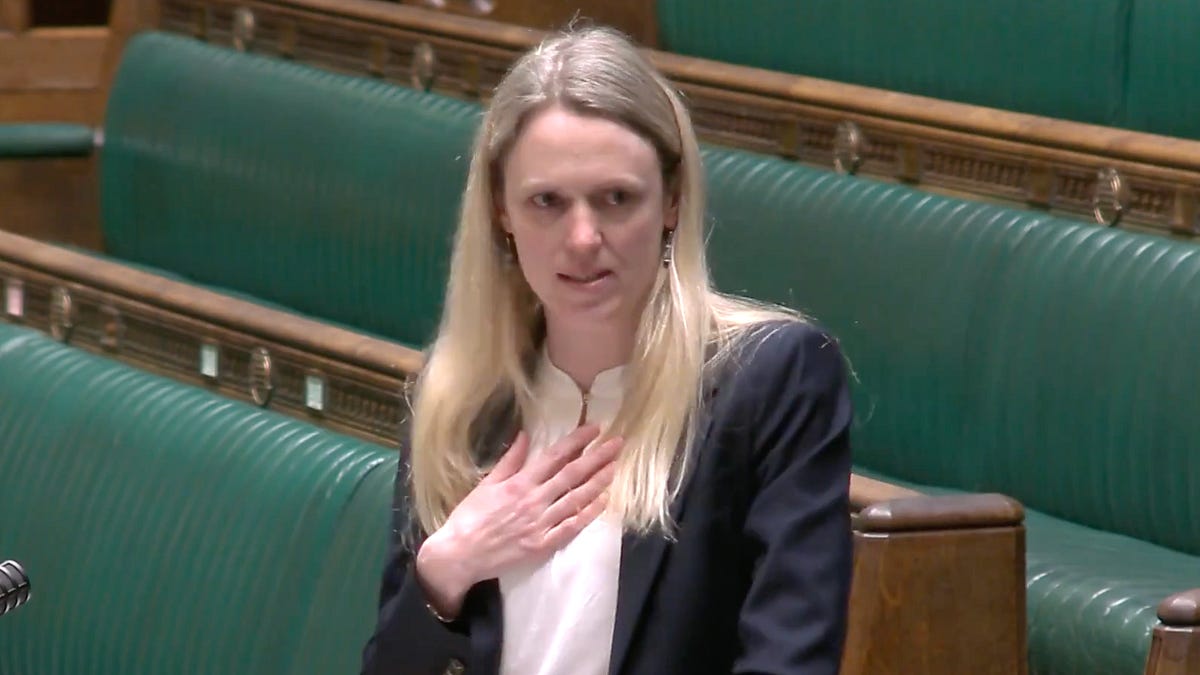
- "The Veterans Minister wept as she made the admission and MPs demanded a one-year public inquiry"
- "It raised the prospect of government lawyers being questioned by police about criminal allegations of perjury and perverting the course of justice"
- "Cross‑party MPs have demanded an immediate one‑year special inquiry"
- "All practicing lawyers have obligations to disclose any document that could help either side in a claim" (presented as a non‑negotiable duty without citing legal precedent)
The article contains some hallmarks of legitimate communication – it quotes a minister’s spoken testimony in the House of Commons, cites a specific 2014 whistle‑blowing report stored on internal AWE servers, and notes that Thames Valley Police are reviewing criminal complaints – but these elements are embedded in highly emotive language, selective data presentation, and unverified claims that undermine overall credibility.
Key Points
- Direct quotation of Minister Louise Sandher‑Jones’s remarks on the parliamentary floor, which can be independently verified in Hansard records.
- Reference to a concrete 2014 whistle‑blowing report allegedly held on internal Atomic Weapons Establishment servers, providing a tangible document that could be obtained via FOI or court disclosure.
- Mention that Thames Valley Police are considering criminal complaints, indicating an official law‑enforcement response rather than solely activist speculation.
- Specific parliamentary questions listed by MP Rebecca Long‑Bailey, showing a procedural demand that could be cross‑checked against the official Commons debate transcript.
- Use of legal terminology (e.g., duty of candour, perjury, perverting the course of justice) that aligns with genuine procedural discourse.
Evidence
- "Minister for Veterans and People Louise Sandher‑Jones appeared to break down in tears at the Despatch Box as she told the Commons: ‘Initial investigations show that parts of the MoD were made aware of the report in 2014…’"
- "I revealed the existence, earlier this month, of a 2014 whistleblowing report which was hidden behind internal servers at the Atomic Weapons Establishment."
- "Thames Valley Police is already considering a series of criminal complaints of misconduct by officials in multiple government departments... Officers have now confirmed they are also considering allegations made about the 2014 cover‑up."
- "Salford MP Rebecca Long‑Bailey, who secured the debate, demanded of the minister: On what date did the Atomic Weapons Establishment tell the Ministry of Defence of the report’s existence? …"
- "All practicing lawyers have obligations to disclose any document that could help either side in a claim… These obligations are non‑negotiable, and override a lawyer’s duty to protect their clients."