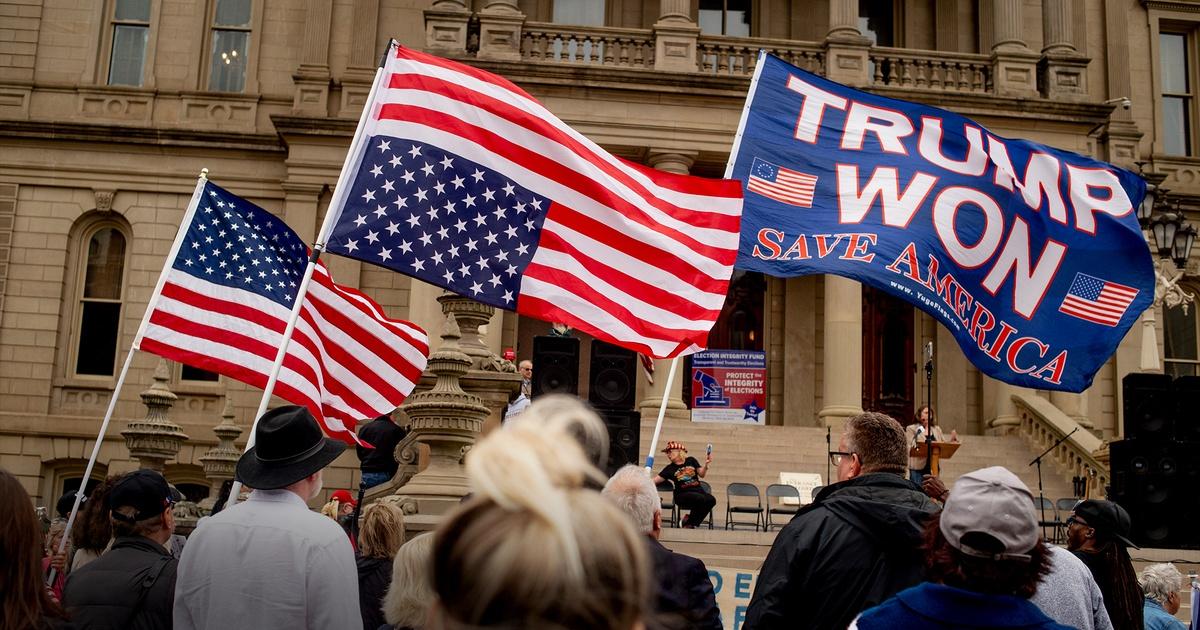
Both analyses present credible observations: the critical perspective highlights alarmist rhetoric, questionable authority citations, and a lack of counter‑evidence that are classic manipulation cues, while the supportive perspective points to professional production hallmarks—clear sourcing, funding disclosures, timestamps, and a multi‑voice format—that are typical of legitimate journalism. Weighing the concrete production evidence against the rhetorical red flags suggests the content shows moderate signs of manipulation, but not enough to deem it wholly inauthentic.
Key Points
- The critical perspective identifies persuasive tactics (fear language, false dilemmas, bandwagon cues) that are strong indicators of manipulation.
- The supportive perspective documents verifiable production elements (funding disclosures, timestamps, closed captions) that support journalistic legitimacy.
- Both sides agree the piece includes multiple interview subjects and does not overtly call for illegal action, which tempers the manipulation concerns.
- The absence of presented counter‑evidence or expert refutation, noted by the critical side, remains a gap that the supportive side does not address.
Further Investigation
- Obtain independent fact‑checking of the specific fraud claims cited in the transcript to assess the validity of the alleged "overwhelming evidence."
- Review the full documentary to determine whether expert rebuttals or audit results are presented elsewhere in the program.
- Examine the editorial process and any external reviews conducted by FRONTLINE or ProPublica for this segment to gauge journalistic oversight.
The transcript relies heavily on alarmist language, appeals to dubious authority, and a binary good‑vs‑evil framing that pushes a fear‑based narrative while omitting counter‑evidence, indicating coordinated manipulation techniques.
Key Points
- Emotional manipulation through repeated fear‑laden terms ("fraud", "stolen election", "eating at the foundations of our democracy").
- Appeal to questionable authority (e.g., citing A.C. Thompson, Patrick Byrne) to legitimize the fraud claim.
- False dilemma that labels anyone who doubts the fraud narrative as "stupid" or "not that bright".
- Bandwagon effect via crowd chants, applause, and statements that "millions of Americans continue to believe".
- Missing contextual information – no presentation of expert refutations, audit results, or statistical evidence that debunks the fraud allegations.
Evidence
- "If you don't think that fraud exists in the election and you don't think the election was stolen, you're either stupid or you're just not that bright."
- "There’s overwhelming evidence that it happened in November '20 that the election was rigged." (asserted without supporting data)
- "We are going to defeat this." (urgent call‑to‑action paired with crowd cheers)
- "Antrim County became a key focus of the stolen election myth" – selective highlighting of a single error while ignoring broader audit findings.
- "U.S.A.! U.S.A.! U.S.A.!" – repeated chant to create a rallying, emotional atmosphere.
The material originates from established news organizations (FRONTLINE, PBS, ProPublica) and includes standard production elements such as funding disclosures, closed‑captioning, and timestamped segments, all of which are hallmarks of legitimate journalistic communication.
Key Points
- Clear source attribution to reputable investigative outlets (FRONTLINE, PBS, ProPublica).
- Explicit funding disclosures (PBS viewer support, CPB, Ford Foundation) indicating transparency.
- Structured documentary format with timestamps, closed captions, and on‑site reporting that aligns with professional news production standards.
- Inclusion of multiple interview subjects (journalists, activists, political figures) suggesting an attempt at balanced coverage rather than a single‑voice propaganda piece.
- Absence of direct calls for illegal action; the narrative frames the issue as an investigation rather than advocacy.
Evidence
- "Funding for FRONTLINE is provided through the support of PBS viewers and by the Corporation for Public Broadcasting. Major funding for FRONTLINE is provided by the Ford Foundation."
- "FRONTLINE and ProPublica examine how lies about election fraud in 2020 have made their way to the center of American politics..."
- Timestamped segments (e.g., "Season 2022 Episode 4 | 54m 23s") and closed‑captioning references demonstrate standard documentary production practices.