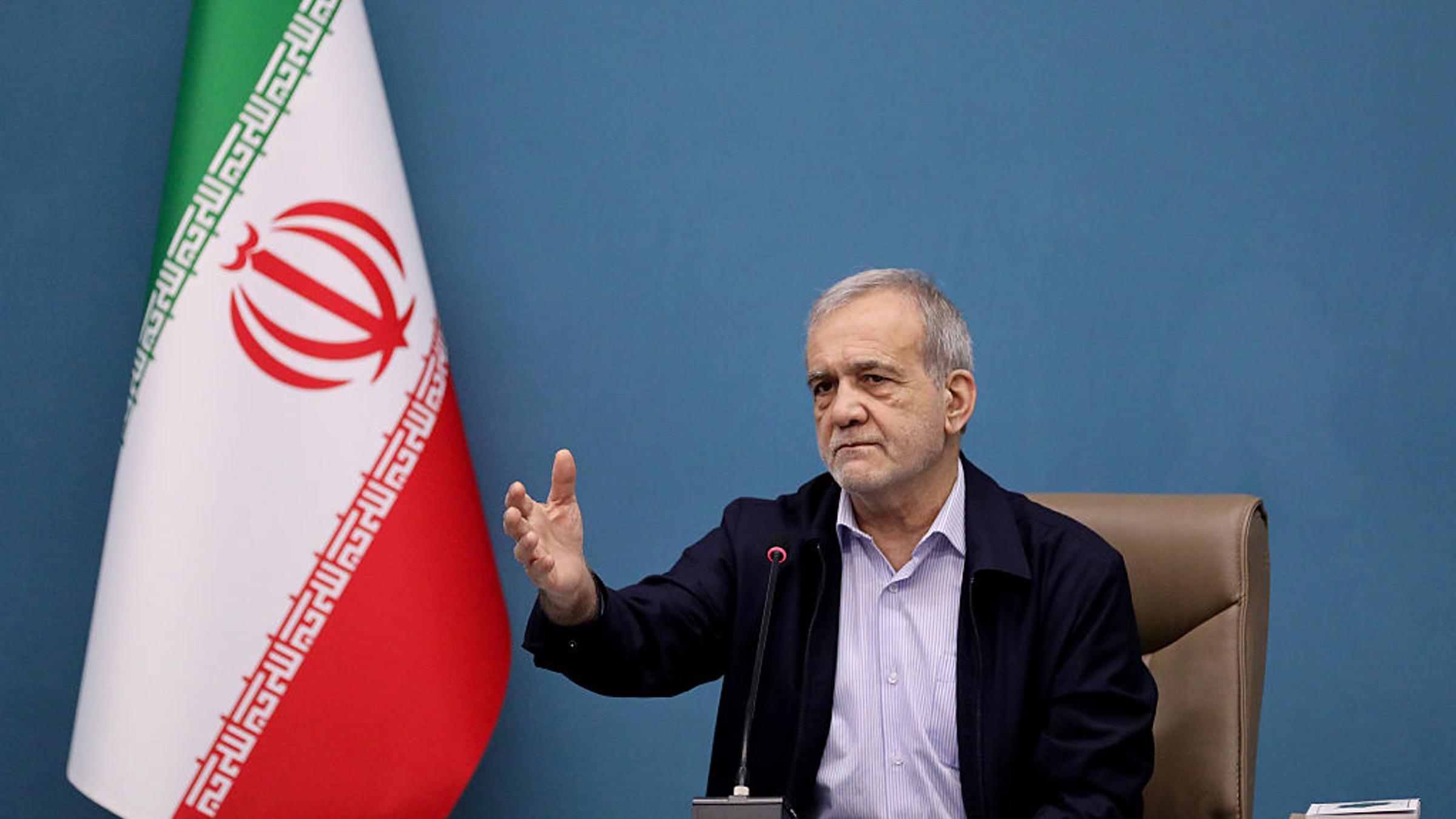
Both analyses agree the letter is a genuine diplomatic communication with verifiable metadata, but the critical perspective highlights rhetorical tactics—loaded language, false dichotomies, selective evidence, and strategic timing—that suggest a manipulative framing aimed at influencing U.S. public opinion. The supportive perspective emphasizes the presence of concrete details, third‑party citations, and the absence of calls for illegal action, which temper concerns about outright propaganda. Overall, the content shows signs of persuasive intent without clear evidence of deception, placing it in a moderate manipulation zone.
Key Points
- The letter contains verifiable identifiers (author, platform, date, AP citation) indicating authenticity (supportive perspective).
- Rhetorical choices—e.g., terms like "machinery of misinformation" and binary framing—are consistent with manipulation techniques (critical perspective).
- Timing of the release to coincide with a high‑profile U.S. speech suggests strategic intent to shape opinion (critical perspective).
- No explicit calls for illegal or violent action and inclusion of opposing U.S. statements reduce the likelihood of extremist propaganda (supportive perspective).
- Both perspectives lack independent verification of the substantive claims about Iran's innocence or U.S./Israeli aggression, leaving factual accuracy uncertain.
Further Investigation
- Obtain independent analysis of the letter's factual claims about Iran's military actions and U.S./Israeli statements to assess accuracy.
- Examine the broader media ecosystem for similar messaging patterns around the same time to gauge coordinated timing.
- Verify the cited AP report and any original statements from the Iranian foreign ministry to confirm the quoted content.
The letter employs emotionally charged framing, false dichotomies, and selective evidence to portray Iran as innocent and the U.S./Israel as aggressors, while timing its release to influence American public opinion ahead of a high‑profile speech.
Key Points
- Uses loaded terms such as “machinery of misinformation,” “enemy,” and “aggression” to create a hostile image of the United States and Israel.
- Presents a binary choice – either accept the alleged misinformation or recognize Iran’s innocence – a classic false‑dilemma that simplifies a complex conflict.
- Relies on selective anecdotes (e.g., Iranian immigrants at prestigious universities) while omitting any discussion of Iran’s missile capabilities or regional actions that could justify the strikes.
- The letter’s release coincides with Trump’s upcoming address, suggesting strategic timing to sway U.S. public sentiment.
- Applies authority cues by citing Trump’s statements and the Iranian foreign ministry without offering independent verification, creating an authority‑overload effect.
Evidence
- “look beyond” what he characterized as “the machinery of misinformation”
- “Portraying Iran as a threat is neither consistent with historical reality nor with present‑day observable facts,”
- “Even after enduring occupation, invasion, and sustained pressure from global powers—and despite possessing military superiority over many of its neighbors—Iran has never initiated a war.”
- “I invite you to look beyond the machinery of misinformation—an integral part of this aggression—and instead speak with those who have visited Iran. Observe the many accomplished Iranian immigrants—educated in Iran—who now teach and conduct research at the world’s most prestigious universities, or contribute to the most advanced technology firms in the West.”
- The letter was posted “a little over a month after the U.S. and Israel launched the initial military strikes on Iran” and just before “Trump’s televised address,” indicating timing intent.
The piece includes verifiable details (author name, platform, date, external AP citation) and lacks overt calls for illegal action, suggesting a legitimate diplomatic outreach rather than pure manipulation.
Key Points
- Specific, time‑stamped reference to an open letter posted on X that can be independently located.
- Citation of an external news outlet (Associated Press) reporting the Iranian foreign ministry’s response, showing use of third‑party sources.
- The narrative acknowledges competing U.S./Israeli statements and does not present fabricated statistics, aligning with typical diplomatic discourse.
- No direct demand for immediate action or illicit behavior; the text merely invites readers to consider an alternative viewpoint.
- Language reflects known Iranian diplomatic framing (e.g., criticism of "machinery of misinformation"), which supports authenticity of authorship.
Evidence
- Quote: "Pezeshkian’s open letter, which he shared on X on Wednesday afternoon..." – a concrete posting detail.
- Reference: "Iran’s Foreign Ministry spokesperson said that Trump’s assertion was ‘false and baseless,’ according to a report on Iranian state television, The Associated Press reported." – third‑party reporting.
- Inclusion of Trump’s own words from a March 3 interview, providing a balanced view of both sides.