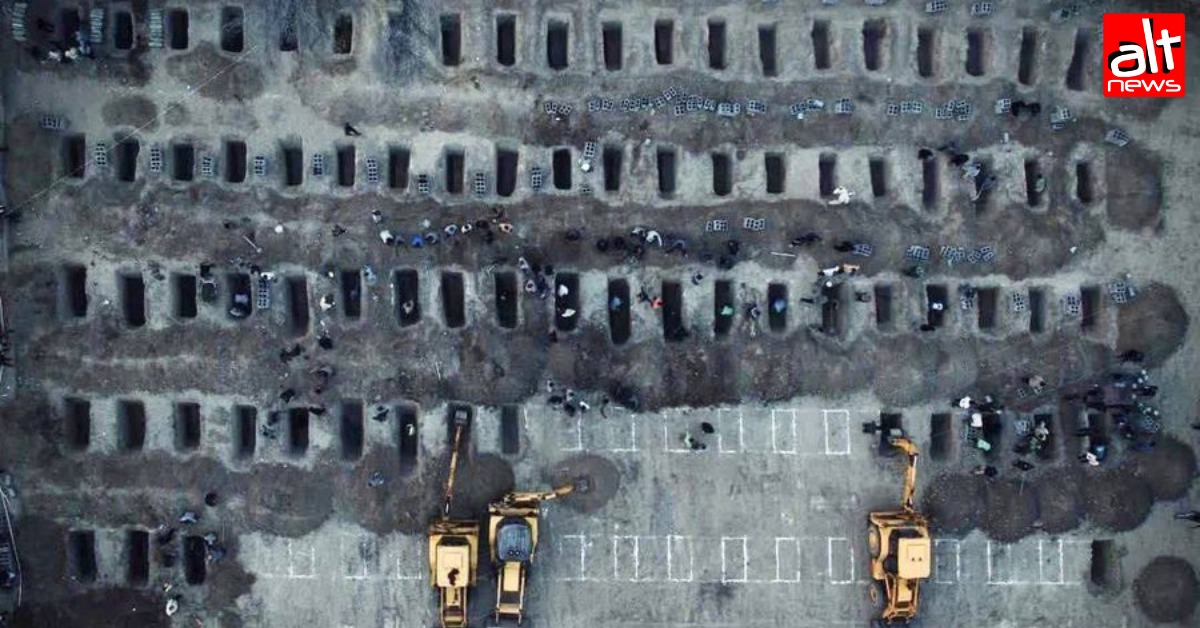
Both analyses agree that the article uses graphic imagery and a striking narrative about civilian deaths, and that the same photograph appears across multiple outlets. The supportive perspective adds that reverse‑image searches, geolocation, and citations from Reuters, The Guardian and UNESCO back the authenticity of the visual evidence. The critical perspective stresses moral framing, selective sourcing and coordinated wording that could amplify emotional impact, suggesting moderate manipulation. Weighing the methodological verification against the framing concerns leads to a modest manipulation rating.
Key Points
- The photograph and video evidence are cited by both sides and appear in major outlets (Reuters, The Guardian).
- Supportive analysis details reverse‑image and geolocation methods that substantiate the burial site claim.
- Critical analysis highlights moral dichotomy, uniform language and selective dismissal of opposing fact‑checks as signs of coordinated framing.
- Both perspectives note the same image is propagated across several news platforms, indicating possible coordinated distribution.
- Further verification of the fact‑check claims and the influence of disclosed funding would clarify the manipulation assessment.
Further Investigation
- Obtain the original raw footage and metadata to confirm date, location and authenticity.
- Review the full fact‑check reports by Shashank Jha and independent fact‑checkers for methodological soundness.
- Examine the funding disclosure to assess any potential bias in the article’s presentation.
The piece employs graphic descriptions and moral framing to heighten emotional impact while presenting a coordinated narrative that discredits opposing voices, indicating moderate manipulation tactics.
Key Points
- Graphic language and vivid imagery are used to evoke horror and sympathy for Iranian victims
- Consistent framing labels the US‑Israel coalition as "criminal regimes" and the victims as "innocent young girls," creating a moral dichotomy
- The article selectively highlights sources that support its narrative and dismisses contrary fact‑checks without detailed rebuttal
- Uniform wording and the same photograph are propagated across multiple outlets, suggesting coordinated messaging
Evidence
- "Photographs and verified videos from the site…show children’s bodies lying partly buried under the debris. In one video, a very small child’s severed arm is pulled from the rubble."
- "These are graves being dug for “more than 160 innocent young girls who were killed in the US‑Israeli bombing” of a primary school in Minab."
- "The ‘fact‑checks’ by pro‑BJP handle Shashank Shekhar Jha are baseless and false."
- The same photograph and phrasing appear in Reuters, NDTV, Hindustan Times, India Today, Deccan Herald, and official Iranian embassy X posts
The article supplies multiple independent sources, reverse‑image verification, and geolocation to substantiate the burial photographs, and it transparently documents its fact‑checking process. It also cites reputable outlets (The Guardian, Reuters, UNESCO) and offers links to original X posts, indicating a genuine effort to inform rather than manipulate.
Key Points
- Multiple verifiable sources (Guardian, UNESCO, Reuters) are referenced, providing external corroboration.
- A systematic reverse‑image search and geolocation are described, showing methodological rigor.
- The piece includes direct quotations from the Iranian foreign minister’s X post and the Iranian embassy’s account, allowing readers to trace the original material.
- It acknowledges opposing claims (the Indonesia‑photo argument) and explicitly refutes them with evidence, demonstrating balanced reporting.
- The article discloses its own funding appeal, which, while present, does not obscure the factual verification steps.
Evidence
- The Guardian’s description of graphic footage and UNESCO’s condemnation are cited as independent confirmations of civilian casualties.
- Reuters is noted to have published the same photo on March 2, 2026, crediting the Iranian Foreign Media Department, establishing a news‑wire trail.
- Geolocation comparison between Google Maps and the X post from the Iranian embassy confirms the burial site as Minab Cemetery in Iran.
- Alt News’ prior fact‑checks of Shashank Jha are referenced, providing a track record of debunking the opposing narrative.
- The article includes direct X handles and timestamps (e.g., @araghchi March 2, 2026) that can be independently verified.