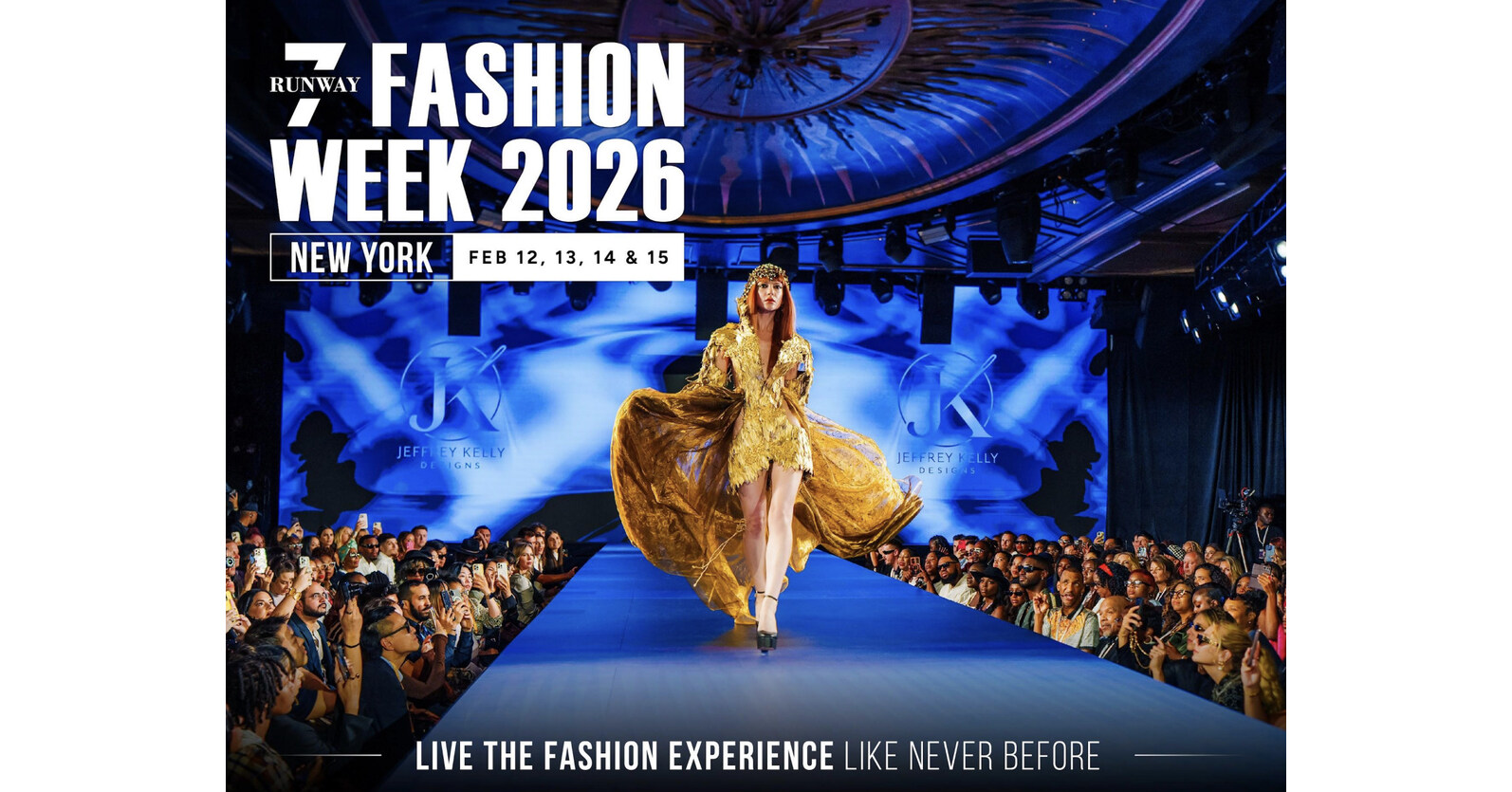
Both teams agree the text follows a standard press‑release format and provides verifiable event details, but they differ on the weight of its promotional framing. The Red Team flags the use of authority cues and superlatives as potential manipulation, while the Blue Team stresses the lack of emotive language and the presence of independently checkable facts. Weighing the evidence, the promotional elements are mild and do not rise to the level of deceptive tactics, so the overall manipulation risk remains low.
Key Points
- The release contains verifiable facts (dates, venue, official URLs) that can be independently confirmed.
- Authority cues such as “award‑winning fashion production company” lack external citation, but they are typical PR language rather than deceptive claims.
- The language is upbeat but not emotionally charged or urgent, limiting manipulative impact.
- Both teams converge on a low manipulation score (12/100), suggesting the original 2.7/100 may under‑state the modest promotional framing.
Further Investigation
- Verify the “award‑winning” claim by checking industry awards or third‑party recognitions.
- Search for independent media coverage of the event to see if external sources echo the press‑release claims.
- Analyze audience engagement metrics (e.g., click‑through rates) to assess whether the upbeat language translates into persuasive impact.
The text is a self‑promotional press release that leans on authority cues and upbeat framing but shows little concrete evidence of manipulative techniques such as fear appeals, false dilemmas, or misinformation.
Key Points
- Uses authority cues (e.g., "award‑winning fashion production company", "iconic Fashion Week") to enhance credibility without external verification.
- Employs novelty and superlatives (e.g., "Must‑See Shows", "unparalleled", "dynamic fusion") to generate excitement and a sense of exclusivity.
- Relies on self‑referential links and calls to action (website URLs) rather than independent sources, creating a closed information loop.
- Targets media representatives and industry professionals explicitly, a common tactic to amplify coverage and shape perception.
- Language is upbeat and promotional but lacks emotional triggers, fear appeals, or overt logical fallacies.
Evidence
- "award‑winning fashion production company" – an authority appeal with no external citation.
- "Must‑See Shows and Unparalleled New York Fashion Week Experiences" – superlative framing to suggest uniqueness.
- "dynamic fusion of fashion, art, music, live performances, and installations" – novelty language meant to create buzz.
- Repeated calls to visit the company's own URLs for schedule, tickets, and press deck, reinforcing a self‑contained narrative.
The text follows a conventional press‑release format, provides verifiable details such as dates, venue, and official URLs, and lacks emotive or urgent language. It presents a neutral description of the event without unsubstantiated claims, typical of authentic corporate communication.
Key Points
- The release includes concrete factual elements (dates, location, web links) that can be independently verified.
- It uses neutral, descriptive language and avoids emotional triggers, urgency cues, or false dilemmas.
- It is attributed to the organization itself (Runway 7 Fashion) and follows standard PR structure (headline, dateline, boiler‑plate).
- The content does not reference controversial or polarising topics, reducing the likelihood of manipulation tactics.
Evidence
- Dateline: “NEW YORK, Feb. 7, 2026 /PRNewswire/” and specific dates “February 12‑16”.
- Multiple official URLs (runway7fashion.com) are provided for schedule, tickets, and press deck.
- The language is descriptive (“dynamic fusion of fashion, art, music”) with no superlatives beyond “award‑winning” and no calls for immediate action.