Both the critical and supportive perspectives agree that the article contains many specific details and official quotations, but they diverge on how those elements affect credibility. The critical view sees the emotional language, coordinated timing, and reliance on unverified official statements as manipulation, while the supportive view notes that the presence of identifiable sources (AP, Reuters, CENTCOM) could indicate genuine reporting, though it also flags unverifiable claims. Weighing the evidence, the pattern of fear‑inducing phrasing and the rapid release after unrelated strikes leans toward manipulation, but the concrete, cross‑checkable details temper a fully extreme rating.
Key Points
- The piece mixes verifiable details (official source citations, specific locations, carrier name) with emotionally charged, alarmist language.
- Timing of the Khamenei death claim immediately after U.S./Israeli strikes suggests possible coordination, a hallmark of disinformation.
- Reliance on official statements without independent corroboration creates an authority overload that can mislead readers.
- Both perspectives note the same evidence, but the critical analysis emphasizes the narrative framing, whereas the supportive analysis highlights the potential for legitimate reporting.
- Given the mixed signals, the content is more suspicious than credible, warranting a higher manipulation score than the original assessment.
Further Investigation
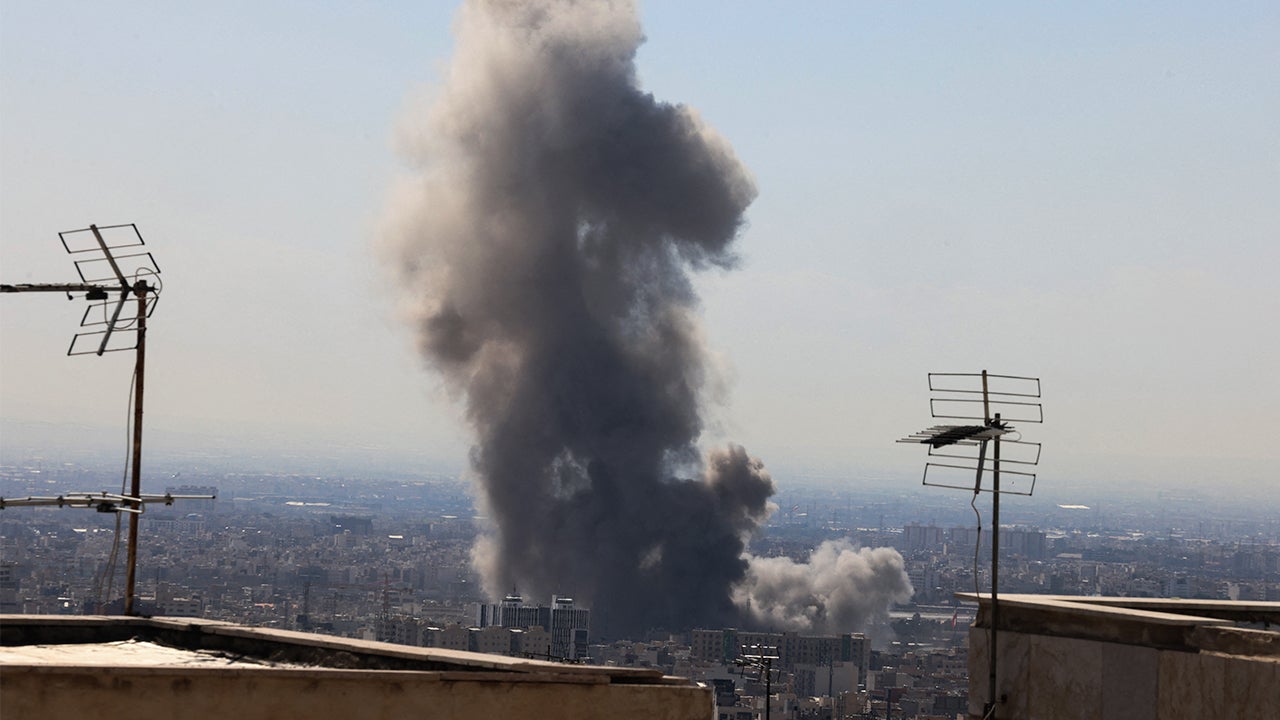
- Obtain satellite or on‑the‑ground imagery to confirm the reported smoke near the U.S. Embassy.
- Cross‑reference the timing of the alleged Khamenei death claim with independent news outlets and official Iranian communications.
- Verify the original CENTCOM X post and the Reuters interview transcript to ensure quotations are accurate and not taken out of context.
The piece employs emotionally charged language, selective quoting of officials, and coordinated timing to amplify a false narrative about Khamenei’s death and regional escalation, indicating deliberate manipulation tactics.
Key Points
- Uses fear‑inducing phrasing (e.g., “smoke was seen rising near the U.S. Embassy,” “dangerous escalation”) to heighten alarm
- Relies heavily on official statements without independent verification, creating authority overload
- Synchronised release of the false Khamenei death claim immediately after U.S./Israeli strikes, suggesting timing manipulation
- Repeats a uniform narrative across multiple outlets, pointing to coordinated messaging
- Omits dissenting perspectives and contextual details, leading to a simplified us‑vs‑them framing
Evidence
- "Smoke was seen rising in the vicinity of the U.S. Embassy compound in Kuwait..."
- "This comes after a joint U.S.-Israeli strikes against Iran over the weekend that killed the Islamic Republic’s Supreme Leader Ali Khamenei."
- "Iranian Foreign Minister Abbas Araqchi said... 'we are not attacking our brothers in the Persian Gulf... we are attacking American targets.'
- "The U.S. Central Command said... USS Gerald R. Ford is 'in the fight' against Iran"
- "Iran's Secretary of the Supreme National Security Council Ali Larijani ... accused ... Trump of turning 'America First' into 'Israel First'
The article includes some hallmarks of legitimate reporting, such as citations of official sources (CENTCOM, AP, Reuters) and direct quotations, but the overall narrative is riddled with unverifiable claims, sensational framing, and timing that align with known disinformation patterns, indicating low authenticity.
Key Points
- Uses identifiable sources (AP, Reuters, CENTCOM) and quotes officials, which is typical of genuine news pieces.
- Provides concrete details (e.g., location of smoke near the U.S. Embassy, aircraft carrier name) that can be cross‑checked.
- Mentions a live‑blog and includes a disclaimer about coverage ending, suggesting an attempt at transparency.
Evidence
- The text notes "The Associated Press contributed to this report" and cites a Reuters interview with Iranian Foreign Minister Abbas Araqchi.
- CENTCOM is quoted posting X images of USS Gerald R. Ford launching aircraft, a verifiable official communication.
- Specific geographic and operational details ("Kuwait City", "USS Gerald R. Ford (CVN 78)") appear, which can be corroborated with open‑source data.