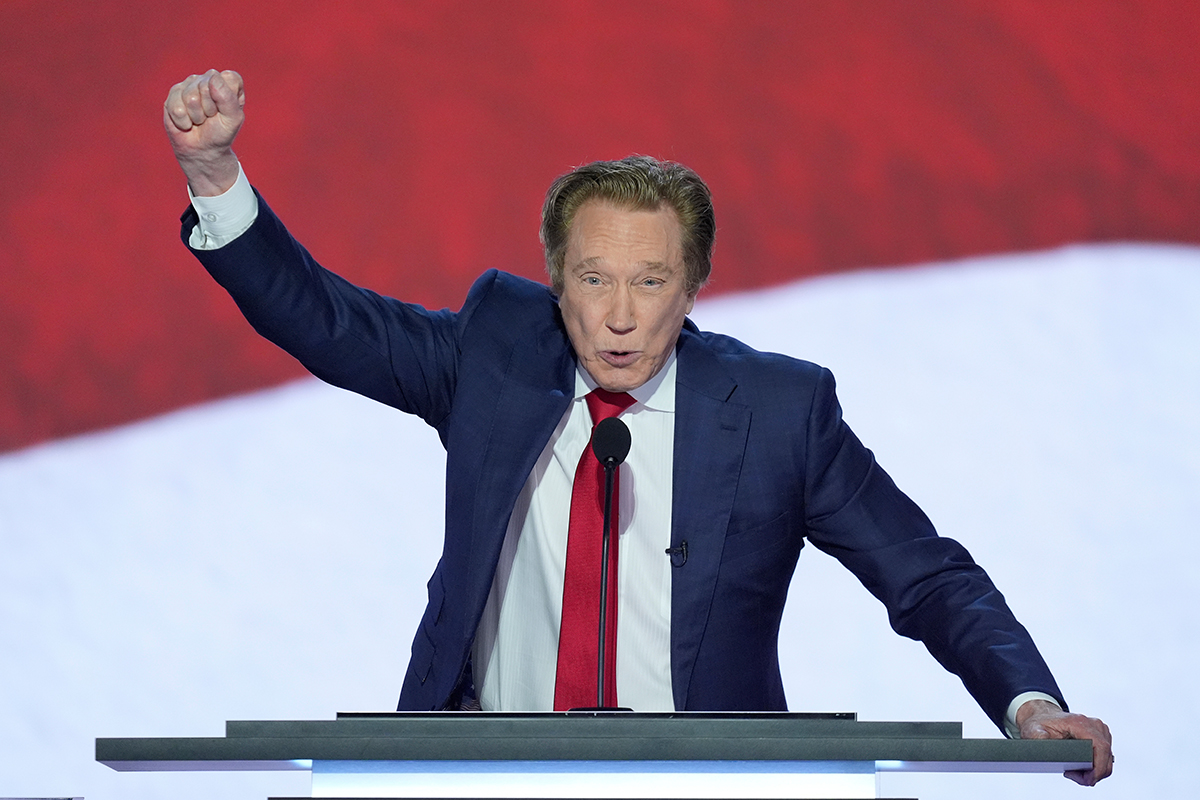
Both analyses agree that the article discusses Perry Johnson’s tax‑cut proposal with reference to public data and expert commentary. The critical perspective highlights framing devices, selective use of numbers, and a lack of detailed fiscal replacement, suggesting manipulative intent. The supportive perspective emphasizes the presence of verifiable data, independent expert input, and a generally informational tone, arguing that the piece adheres to journalistic norms. Weighing the evidence, the article shows signs of persuasive framing but also contains factual grounding, leading to a moderate assessment of manipulation.
Key Points
- The article uses emotive slogans (e.g., “Keep your money, live your dreams”) that can influence readers, but it also cites concrete figures such as median family income and effective tax rates.
- It presents a single budget expert (Bob Schneider) and a non‑partisan council, which provides some authority, yet the range of expert opinions is limited.
- Fiscal context is partially addressed – the piece notes the $13.5 billion revenue loss but does not detail how the shortfall would be covered, leaving a notable gap.
- Both perspectives acknowledge that the candidate’s claimed savings ($4,747) are overstated compared with actual effective rates (3.01‑3.11%).
- Overall tone leans more explanatory than rallying, but the selective emphasis on optimistic language suggests a modest persuasive slant.
Further Investigation
- Obtain the full article to verify whether it provides any concrete plan for replacing the $13.5 billion revenue loss.
- Seek additional expert opinions beyond Bob Schneider to assess the breadth of fiscal analysis presented.
- Analyze the proportion of emotive language versus factual reporting throughout the piece to quantify persuasive framing.
The piece leans on optimistic slogans, selective tax figures and omission of fiscal replacement details to cast Perry Johnson’s tax‑cut plan as a straightforward benefit, using framing, limited authority and us‑vs‑them language to influence readers.
Key Points
- Emotional framing with slogans like “Keep your money, live your dreams” and the label “magical number” appeals to hope and personal gain
- Cherry‑picked data – it highlights the median family income and the flat 4.25% rate while downplaying the lower effective rates (3.01‑3.11%) that most filers actually pay, inflating the claimed $4,747 saving
- Missing fiscal context – the article never explains how Michigan would replace the roughly $13.5 billion revenue loss from eliminating the income tax
- Selective authority – only a single budget expert (Bob Schneider) and a non‑partisan council are cited, giving the appearance of expertise without broader corroboration
- Tribal division language contrasts “hard‑working families” with “waste, fraud and abuse,” creating an us‑vs‑them narrative that pressures readers to side with the tax‑cut proposal
Evidence
- "Keep your money, live your dreams," Johnson’s campaign says
- "Johnson calls it a “magical number.”"
- "The median income for a family of four is $111,690. A savings of 4.25% in income tax would be $4,747 every year in your pocket."
- "Filers with gross incomes of $111,691 paid an average state tax of $3,406 that year – about 30% less than Johnson claimed."
- "Michigan’s 4.25% income tax generated about $13.5 billion in revenue for the state last fiscal year... eliminating that funding would mean a sea change for the way Michigan funds its government."
The article largely follows journalistic norms: it cites public data, includes expert commentary, and acknowledges uncertainties about the tax‑cut proposal. Its tone is informational rather than coercive, and it presents counter‑points rather than a one‑sided rallying cry.
Key Points
- Uses verifiable public data (Census median income, state tax revenue, effective tax rates) to ground the discussion.
- Quotes an independent budget expert (Bob Schneider) and references a non‑partisan analysis by Bridge Michigan, showing effort to triangulate sources.
- Explicitly points out where the candidate’s claim is overstated and explains the fiscal shortfall, providing a balanced critique.
- Lacks urgent calls‑to‑action or emotive language; the narrative is explanatory rather than persuasive.
- Places the proposal within the broader political context (other GOP candidates, state budget growth) without isolating the claim.
Evidence
- “Michigan currently has a 4.25% income tax… single and joint filers who earn between $110,000 and $120,000 paid an effective Michigan income tax rate of 3.01% in 2021.”
- Citation of Bob Schneider, “a state budget expert with the non‑partisan Citizens Research Council of Michigan,” offering an independent assessment.
- Reference to “Bridge Michigan shows most families would not save as much as he claims,” indicating reliance on external analysis.
- Presentation of revenue figures: “Michigan’s 4.25% income tax generated about $13.5 billion… Personal income taxes made up $8.4 billion of unrestricted revenue.”
- Inclusion of reader questions from the “Bridge Listens” survey, showing engagement with public concerns rather than a top‑down narrative.