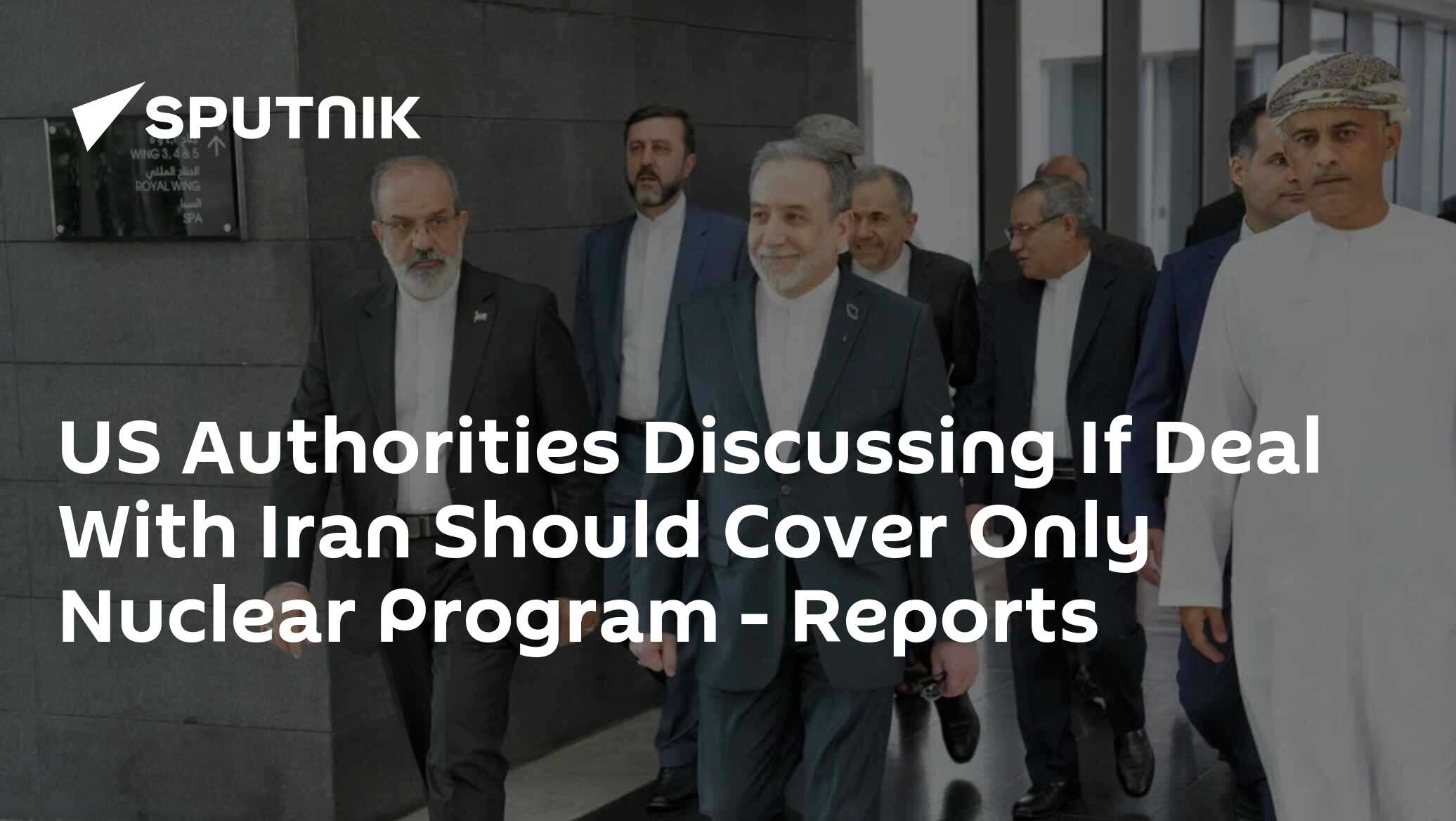
Both analyses agree the article references a 15‑day deadline and the Feb 17 Geneva talks, but they differ on how the piece frames the story. The critical perspective highlights missing context (Trump no longer president) and vague sourcing that could serve a Russian‑friendly narrative, while the supportive perspective points to a Wall Street Journal citation, concrete diplomatic details, and a neutral tone. Weighing the evidence suggests some framing issues, yet the presence of a reputable source and verifiable event details temper the manipulation signal, leading to a moderate manipulation rating.
Key Points
- The article mixes verifiable facts (Geneva talks, 15‑day deadline) with outdated or incomplete context about the U.S. administration
- Vague attribution (“US and Middle Eastern officials”) coexists with a specific Wall Street Journal citation, creating mixed source credibility
- The framing could benefit narratives that portray U.S. weakness, but the neutral tone and lack of emotive language reduce the likelihood of overt manipulation
- Overall, the content shows some framing concerns but also contains solid reporting elements, suggesting moderate rather than extreme manipulation
Further Investigation
- Confirm whether Donald Trump actually made the quoted 15‑day statement and its date
- Locate the original Wall Street Journal article to verify the context and exact wording of the cited officials
- Check official U.S. State Department or White House releases about the scope of the Iran deal discussed in February 2024
The article omits key contextual details—such as the fact that Donald Trump is no longer president—and relies on vague, unnamed sources, which together create a misleading framing of US‑Iran negotiations that benefits Russian state narratives of US weakness.
Key Points
- Missing context: the piece references a 2020 Trump deadline without noting the current Biden administration, leading to outdated framing.
- Vague sourcing: phrases like "US and Middle Eastern officials" provide no verifiable authority, obscuring who actually said what.
- Timing manipulation: published shortly after the Feb 17 Geneva talks, the article revives an old Trump quote to amplify perceived US indecision.
- Beneficiary alignment: the narrative supports Russian state interests by portraying the US as uncertain and potentially conceding to Iran.
Evidence
- "On Thursday, US President Donald Trump said that Iran had 15 days maximum to make a deal with the United States."
- "citing US and Middle Eastern officials familiar with the matter."
- "some administration officials believe that limiting the deal to Iran's nuclear program would be beneficial to Tehran."
- Headline: "US Authorities Discussing If Deal With Iran Should Cover Only Nuclear Program"
The article exhibits several hallmarks of legitimate reporting: it cites a reputable source (Wall Street Journal), references verifiable diplomatic events (the Feb 17 Geneva talks), and maintains a neutral tone without urging action or using emotive language.
Key Points
- Cites a mainstream newspaper (Wall Street Journal) rather than anonymous or partisan sources
- References concrete, dated diplomatic meetings and statements from Iranian officials
- Neutral phrasing and absence of calls for urgent reader action or emotional triggers
- Provides contextual details (15‑day deadline, internal White House discussions) that can be cross‑checked with public records
Evidence
- "...the Wall Street Journal reported... citing US and Middle Eastern officials familiar with the matter."
- "The second round of Iran‑US negotiations ... took place on February 17 in Geneva with the Omani mediation."
- "Iranian Foreign Minister Abbas Araghchi announced progress and noted that Tehran and Washington would work on texts..."
- The article does not contain imperative language or emotionally charged adjectives; it reports statements factually.