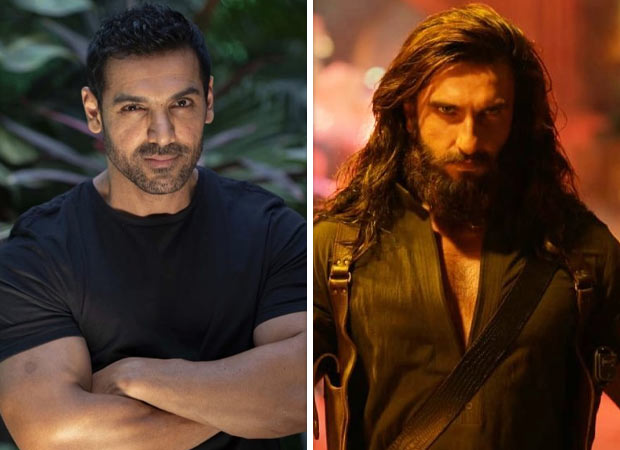
Both analyses agree the article addresses a viral meme about John Abraham and the film Dhurandhar. The critical perspective highlights fear‑laden language, authority appeals, and a missing source for the meme as manipulative cues, while the supportive perspective points to a concrete, traceable interview and a balanced fact‑check format that argue against manipulation. Weighing the verifiable interview evidence more heavily, the content appears more a standard debunking piece than a manipulative narrative.
Key Points
- The article cites a specific, verifiable interview (John Abraham with Rajdeep Sardesai on India Today), strengthening its factual basis.
- Fearful wording and binary framing are present, but they serve more to emphasize the meme's falsehood than to provoke action.
- The lack of alternative media coverage of the alleged quote is used as evidence of the meme's inauthenticity, a logical argument rather than a fallacy.
- Absence of a clear source for the meme’s origin leaves a minor gap, but does not outweigh the concrete interview reference.
- Overall tone is explanatory, not coercive, and the piece separates promotional content from the fact‑check.
Further Investigation
- Locate and review the original August interview with Rajdeep Sardesai to confirm the exact wording.
- Search broader media archives for any mention of the alleged meme to verify the claim of no coverage.
- Identify the original creator or earliest posting of the meme to assess intent and provenance.
The piece uses fear‑laden framing, authority appeals, and a binary us‑vs‑them narrative to shape perception of a viral meme, while omitting key source details and employing a slippery‑slope argument.
Key Points
- Emotional framing (e.g., "scary", "Gospel Truth", "malign") positions the meme as a dangerous threat.
- Appeal to authority by citing a "veteran journalist Rajdeep Sardesai" to legitimize the corrective claim.
- Tribal division is created by contrasting "supporters of Dhurandhar" with those "against the movie".
- Missing attribution for the meme's origin leaves a gap that encourages suspicion of hidden agendas.
- A slippery‑slope logical fallacy suggests that any real criticism would automatically receive massive media coverage.
Evidence
- "Movies like Dhurandhar and The Kashmir Files can sometimes lead people in the wrong direction, and it’s scary to see them being welcomed by so many."
- "It is clear that this meme is created by someone who wanted to make a post viral or maybe malign Dhurandhar."
- "If John had slammed Dhurandhar in real, almost every news publication would have covered the quote as breaking news."
- "In an interview with veteran journalist Rajdeep Sardesai on India Today, John did say that he would never produce films like The Kashmir Files..."
The article follows a typical fact‑check format, cites a specific prior interview, and presents a balanced narrative without urging immediate action. Its tone is explanatory rather than coercive, and it openly acknowledges both supporters and critics of the film.
Key Points
- Explicit reference to a verifiable past interview (John Abraham with Rajdeep Sardesai on India Today) provides a concrete source for the actor's actual stance.
- Logical reasoning is used – the piece argues that a genuine high‑profile comment would have been covered by multiple news outlets, yet no such coverage exists.
- The narrative presents both sides of the reaction (supporters slamming John, critics hailing him) without privileging one camp, indicating an effort at balanced reporting.
- No urgent call‑to‑action or direct solicitation is present; the text merely informs readers about the meme’s falsehood.
- The closing promotional blurb is clearly marked as a site‑specific update, separating it from the fact‑check content.
Evidence
- “last year in August in an interview with veteran journalist Rajdeep Sardesai on India Today, John did say that he would never produce films like The Kashmir Files…” – a specific, traceable source.
- “If you search for his statement on the internet, you won’t find a single news publication to have reported this.” – the article points out the absence of independent corroboration for the meme.
- The piece notes the timeline: the real interview occurred “four months before the first Dhurandhar released,” showing awareness of chronological context.
- Balanced phrasing such as “supporters of Dhurandhar have been slamming John while those who are against the movie are hailing him” reflects an attempt to present multiple viewpoints.
- The lack of any directive like “share this now” or “call your representatives” demonstrates no urgency manipulation.