Both analyses agree the excerpt is an informal dialogue lacking hard data. The critical perspective highlights subtle rhetorical tricks—tribal framing, bandwagon appeals, and vague authority citations—that could steer listeners against vaping regulation. The supportive perspective emphasizes the conversational tone, frequent qualifiers, and absence of overt calls to action, suggesting low manipulation. Weighing the evidence, the content shows some manipulative cues but not the coordinated propaganda typical of high‑risk material, placing it in a moderate manipulation zone.
Key Points
- The dialogue uses tribal language (left‑wing vs right‑wing) and bandwagon claims without cited polls, indicating potential framing bias.
- Speakers frequently qualify statements (e.g., "I don’t know", "might be a bit too far"), which reduces the impression of a scripted agenda.
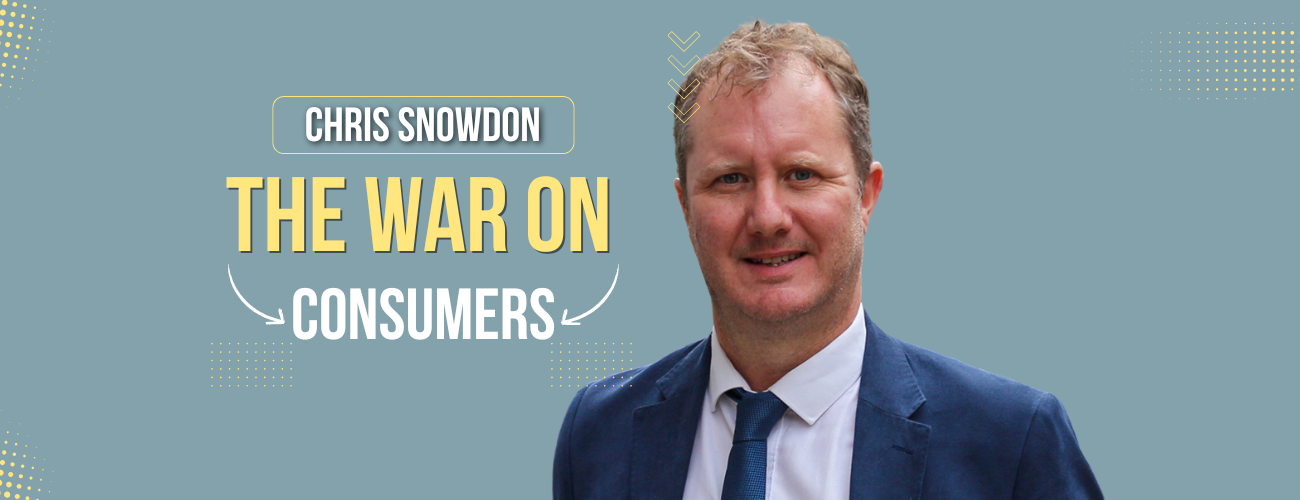
- References to authority (Christopher Snowdon) and anecdotal incidents (vape shop fire, meningitis) are presented without supporting evidence, a mixed signal of credibility.
- No explicit calls for action, petitions, or repeated slogans are present, aligning with authentic, low‑manipulation communication.
Further Investigation
- Obtain actual polling data on public attitudes toward vaping bans to verify the bandwagon claim.
- Check Christopher Snowdon's credentials and any published research he may have on vaping to assess the authority reference.
- Look for any follow‑up content from the same speakers for patterns of repeated messaging or coordinated calls to action.
The dialogue uses tribal framing, appeals to popular opinion, and vague authority references to subtly steer listeners against vaping regulation, while omitting concrete data. These patterns suggest a coordinated narrative that leverages cultural‑war language rather than substantive evidence.
Key Points
- Tribal division is created by contrasting “left‑wing” vs “right‑wing” attitudes toward vaping and bans
- Bandwagon effect is invoked by claiming “usually a majority are in favor of banning something” without citing polls
- Authority is overstated through Snowdon’s title and vague references to “experts” while providing no scientific studies
- Emotional language (e.g., “strong opinions… should be banned”, “scare stories”) frames regulation as irrational and oppressive
- Missing contextual data about vaping safety, the cited “vape shop fire” and meningitis link are presented without evidence
Evidence
- "...people have strong opinions about a lot of things these days when they really shouldn’t. If they have a strong opinion about something, it tends to lead them to a political conclusion. In other words: ‘I don’t like vaping, therefore it should be banned.’"
- "...generally, when you do opinion polls, a good chunk of the public—usually a majority—are in favor of banning something, even if they don’t really understand what it is."
- "Christopher Snowdon: ... Head of Lifestyle Economics at the Institute for Economic Affairs"
- "...we’ve had this what was called a ‘vape shop fire’ which took down Scotland’s busiest train station. Then you had a meningitis outbreak that was somehow blamed on vaping. It was like scare stories about vaping."
The excerpt reads like a typical unscripted podcast dialogue, with both participants openly questioning assumptions and acknowledging uncertainty. It lacks overt calls to action, precise data claims, or coordinated messaging, which are hallmarks of authentic, low‑manipulation communication.
Key Points
- Conversational, back‑and‑forth style with admissions of not knowing (“I don’t know whether it’s endemic…”)
- No explicit calls for immediate action, petitions, or donations
- References are anecdotal (vape shop fire, meningitis outbreak) and not presented as definitive evidence
- Both speakers present personal viewpoints rather than asserting undisputed facts
- Absence of repeated slogans, hashtags, or uniform phrasing that would indicate coordinated propaganda
Evidence
- The hosts repeatedly qualify statements (e.g., “it might be a bit too far into it,” “I’m not sure that vaping comes into the same kind of idea of a culture war”)
- There are no citations of scientific studies, poll numbers, or official WHO statements; claims about “majority” are left vague
- The dialogue includes self‑critical humor and speculation about political motives rather than a one‑sided narrative