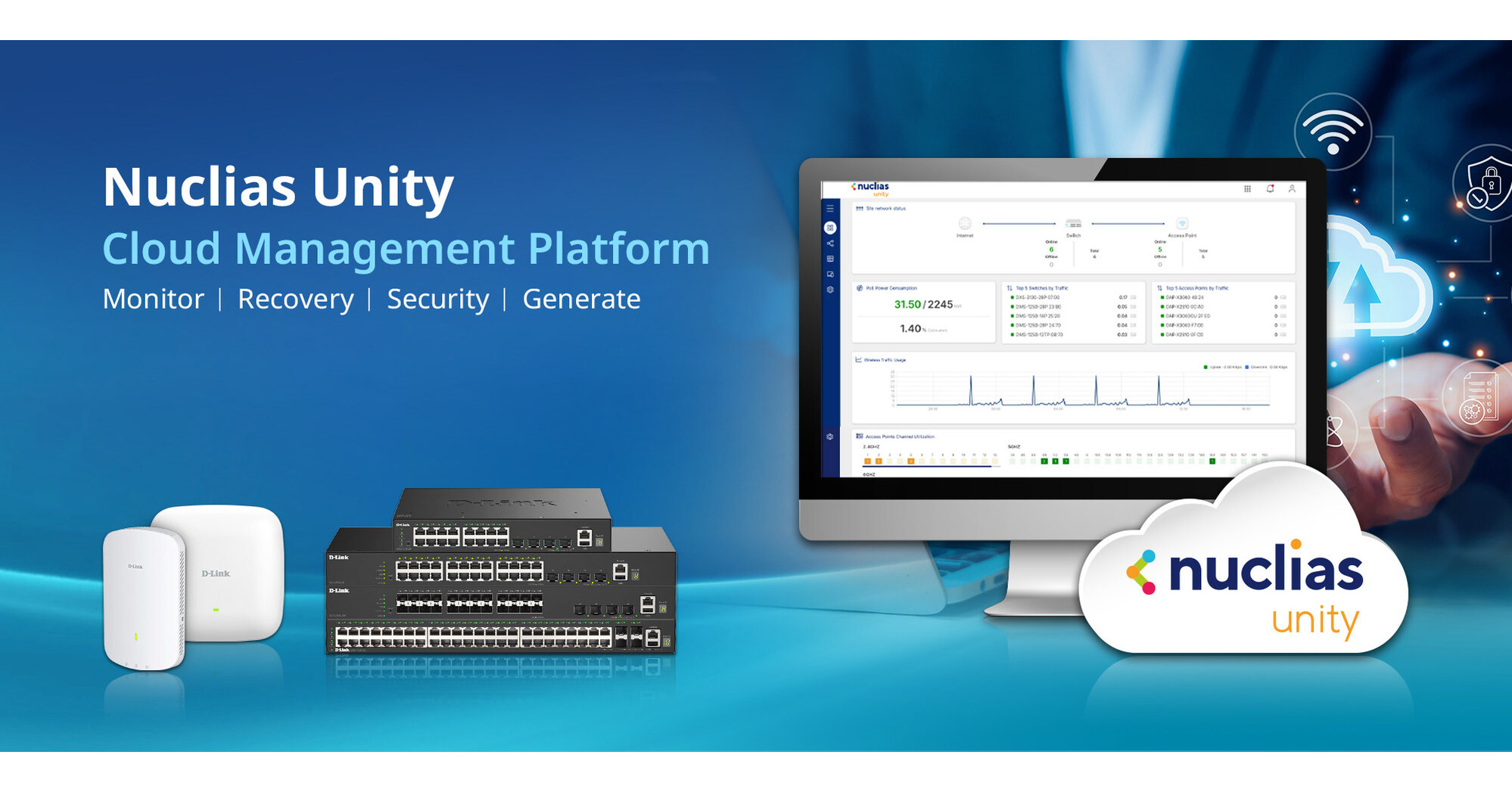
Both analyses agree the text is a conventional corporate press release. The supportive perspective highlights concrete, verifiable elements (dateline, executive quote, product URL) that point to authenticity, while the critical perspective notes typical promotional framing and the absence of quantitative evidence, which suggests only mild bias. Weighing the stronger verifiable evidence against the modest signs of manipulation leads to a low manipulation rating.
Key Points
- The release follows standard PR conventions with verifiable details (dateline, executive quote, product link).
- Positive framing and buzzwords are present, but such language is common in corporate announcements and does not alone indicate strong manipulation.
- The lack of concrete performance metrics or pricing is a gap, yet not sufficient to deem the content highly suspicious.
- Overall, the evidence for authenticity outweighs the modest promotional bias, suggesting a low manipulation score.
Further Investigation
- Verify that the product URL resolves to an active page describing Nuclias Unity and matches the claims made.
- Obtain independent performance benchmarks or third‑party reviews to assess the asserted benefits.
- Check D‑Link’s official press‑release archive for consistency in branding, boilerplate language, and citation practices.
The text is a conventional corporate press release that relies on positive framing and omission of detailed evidence, showing only modest signs of manipulation.
Key Points
- Positive framing of the product without presenting drawbacks or comparative data
- Reliance on internal authority (Chairman Victor Kuo) to endorse the platform
- Omission of concrete metrics such as pricing, performance benchmarks, or limitations
- Repetitive use of buzzwords ("cloud", "unified", "global leader") to reinforce brand identity
Evidence
- "global leader in networking and connectivity solutions"
- "Nuclias Unity represents a major step forward..."
- "simplifies complexity, strengthens operational control, and enables sustainable growth—without the traditional cost and rigidity of conventional cloud‑based management"
- "reducing misconfigurations, shortening troubleshooting time" (no supporting statistics)
The content follows a conventional corporate press‑release format, includes verifiable source attribution, and uses neutral technical language without emotional manipulation or urgent calls to action, all of which are strong indicators of legitimate communication.
Key Points
- Standard PR structure (dateline, company boiler‑plate, media contact, source attribution).
- Specific, verifiable details such as product URL, company ticker, and a named executive quote.
- Neutral, feature‑focused language with no sensational claims, fear‑mongering, or calls for immediate action.
- Consistent branding and phrasing that matches D‑Link’s prior releases, suggesting an authentic corporate communication rather than coordinated propaganda.
Evidence
- "TAIPEI, April 1, 2026 /PRNewswire/" – a recognized newswire dateline format.
- Quote from Victor Kuo, Chairman of D‑Link, providing an internal corporate authority rather than anonymous or external hype.
- Inclusion of a direct product link (https://www.dlink.com/en/for-business/nuclias/nuclias-unity) and a detailed "About D‑Link" section that can be cross‑checked against the company’s website.