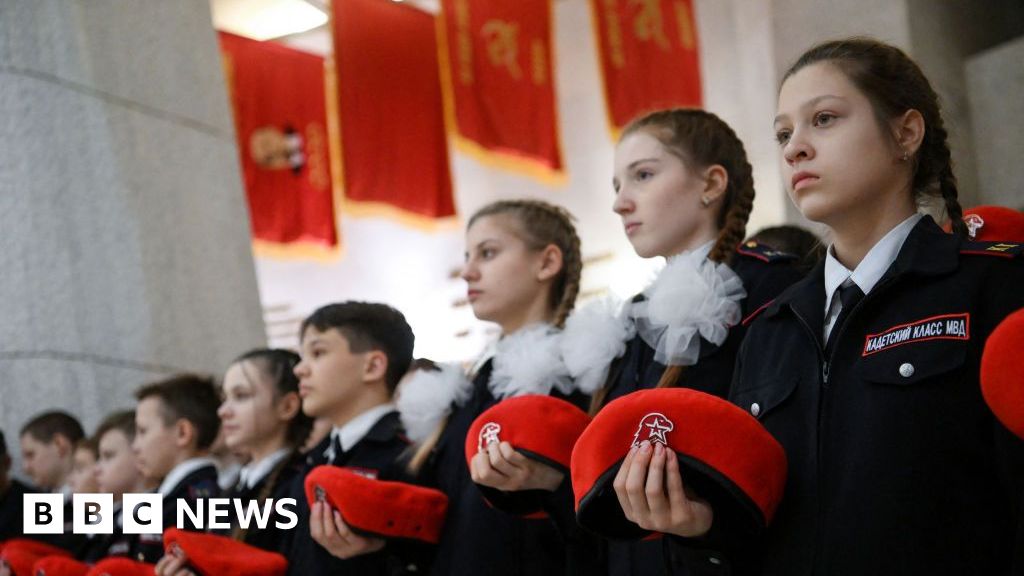
Both analyses agree the piece discusses a Russian school patriotism programme, but they differ on its credibility. The critical perspective highlights emotional storytelling, selective expert use, and historical framing as manipulative tactics, while the supportive perspective points to concrete sources – a BBC documentary, named experts, and specific policy details – as evidence of legitimate journalism. Weighing the tangible citations against the more interpretive manipulation claims leads to a modest manipulation rating, suggesting the content is largely credible with some potential bias.
Key Points
- The article includes identifiable sources (BBC documentary, named experts, policy announcement) that can be independently verified.
- The critical view notes emotional anecdotes and framing that could influence readers, indicating a degree of persuasive intent.
- Both perspectives cite the same experts, but the supportive side emphasizes their traceability, whereas the critical side questions their relevance to education policy.
- Overall evidence leans toward authenticity, though the presence of emotive storytelling warrants a cautious, slightly elevated manipulation score.
Further Investigation
- Obtain and review the cited BBC documentary to confirm its content and context.
- Access the Russian education ministry's official policy documents on state‑approved toys and curriculum directives.
- Gather quantitative data on how widespread the patriotism programme is across schools and any documented resistance or compliance rates.
The piece employs emotionally charged personal anecdotes, selective expert citations, and historical parallels to portray Russian school patriotism as a propaganda tool, using framing and authority appeals that can steer reader perception.
Key Points
- Emotional manipulation through vivid stories of a mother fearing isolation for her child.
- Appeal to (partial) authority by quoting a psychotherapist and a behavioural genetics researcher without contextual expertise on Russian education policy.
- Framing the narrative with historical analogies to Nazi-era indoctrination and Soviet Pioneer youth groups.
- Selective presentation of evidence, highlighting anecdotal cases while omitting data on the prevalence or resistance to the programme.
- Us‑vs‑them language that positions anti‑war parents against a monolithic state apparatus.
Evidence
- "When her seven-year-old daughter was told to learn a poem about Russia's \"glorious army\" for a school event..."
- "The messages the government wants the children to absorb are clear: the invasion is a defensive war and patriotism means unquestioning loyalty."
- "Studies show younger children are particularly receptive to messages from figures of authority."
- "One well‑known study into Nazi‑era education found that school‑based indoctrination could have long‑lasting effects..."
- "An active anti‑war position might attract unwanted attention", Marina tells the BBC.
The article exhibits several hallmarks of legitimate journalism: it cites identifiable sources (BBC documentary, named experts, parents), provides contextual background on recent policy changes, and presents a nuanced view that acknowledges variation in school implementation and the difficulty faced by parents.
Key Points
- Explicit attribution to a recent BBC documentary and to named individuals (Pavel Talankin, psychotherapist Anastasia Rubtsova, researcher Emily Willoughby) offers traceable provenance.
- The narrative includes multiple perspectives—parents opposing the curriculum, a child who enjoys the lessons, and experts offering both psychological and historical context—showing balanced reporting rather than a single‑sided agenda.
- Concrete policy references (e.g., the education ministry’s list of state‑approved toys) ground the story in verifiable recent events, reducing reliance on vague claims.
- The piece avoids direct calls for immediate action or overt persuasion, instead describing personal experiences and expert analysis, which aligns with informational rather than manipulative intent.
- Acknowledgment of variability in school compliance (“some schools follow them enthusiastically, while others soften or sidestep them”) demonstrates an effort to avoid overgeneralization.
Evidence
- Citation of the Oscar‑winning BBC documentary "Mr Nobody Against Putin" and its footage from Karabash.
- Quotes from three distinct sources: Nina (parent), Anastasia Rubtsova (psychotherapist), and Emily Willoughby (University of Minnesota researcher).
- Reference to a specific policy announcement by Russia's education ministry regarding state‑approved toys for nurseries.