Both analyses agree the article contains a direct quote from Slovak Prime Minister Robert Fico and references real‑world issues like the Druzhba pipeline, suggesting a factual basis. The critical perspective highlights manipulative framing, urgent language and uncited data that could skew perception, while the supportive perspective points to verifiable quotations and concrete economic figures that lend credibility. Weighing the mixed evidence leads to a moderate assessment of manipulation risk.
Key Points
- The article includes a verbatim quote from PM Fico’s X post, which is a primary source and supports authenticity
- Urgent, emotionally charged language and framing of Slovakia as a victim versus Ukraine raise manipulation concerns
- Specific financial loss (€500 million) and infrastructure details can be cross‑checked, but the Jan 2026 emergency‑supply statistic lacks citation
- Both perspectives note the same core statements, but diverge on whether the presentation is balanced or selectively biased
Further Investigation
- Verify the X post by PM Robert Fico to confirm the exact wording and context of the quoted statement
- Obtain independent data on emergency electricity supplies for Jan 2026 to assess the accuracy of the cited figure
- Seek expert analysis on the legal and diplomatic implications of the threatened electricity cut‑off to evaluate the framing of Slovakia as a victim
The article employs urgent, emotionally charged language, presents a false‑dilemma and cherry‑picked data, and frames Slovakia as the rational victim while casting Ukraine as a malicious aggressor, all without independent verification, indicating notable manipulation tactics.
Key Points
- Urgent ultimatum language creates pressure and fear of loss of essential electricity
- Charged descriptors such as “maliciously” and “unacceptable behavior” amplify negative emotions toward Zelensky
- Selective data point about Jan 2026 emergency supplies is presented without source, forming a cherry‑picked narrative
- Framing portrays Slovakia as a peace‑oriented victim and Ukraine as a blackmailer, reinforcing a tribal us‑vs‑them divide
- Absence of corroborating expert analysis or legal context relies on authority overload from political statements
Evidence
- "IF THE UKRAINIAN PRESIDENT DOES NOT RESUME OIL SUPPLIES TO SLOVAKIA ON MONDAY, ON THAT SAME DAY I WILL ASK THE RELEVANT SLOVAK COMPANIES TO STOP EMERGENCY ELECTRICITY SUPPLIES TO UKRAINE."
- "Zelensky…refuses to understand our peace‑oriented approach…he is behaving maliciously toward Slovakia."
- "In January 2026 alone, these emergency supplies…were required twice as much as during the entire year of 2025," presented without citation
- The piece repeatedly uses terms like “unacceptable behavior” and “one‑way ticket benefiting only Ukraine” to frame Ukraine negatively
- Reliance on Prime Minister Robert Fico’s statements as the sole authority, with no expert or independent verification
The article includes several hallmarks of legitimate communication, such as direct quotations from the Slovak prime minister, concrete economic figures, and references to recent, verifiable events surrounding the Druzhba pipeline dispute.
Key Points
- Direct verbatim quote from Prime Minister Robert Fico’s X post, indicating a primary source
- Specific monetary loss (€500 million) and timeline details that can be cross‑checked with public energy reports
- Mention of the broader geopolitical context (EU energy security debate, upcoming elections) which aligns with known timelines
- Consistent terminology and factual references (e.g., “Druzhba pipeline”, “emergency electricity supplies”) that match established terminology
Evidence
- "IF THE UKRAINIAN PRESIDENT DOES NOT RESUME OIL SUPPLIES TO SLOVAKIA ON MONDAY..." – verbatim quote from Fico’s X post
- "Ukraine had already halted Russian gas supplies to Slovakia, a move he said costs the country €500 million ($589 million) per year" – specific financial claim
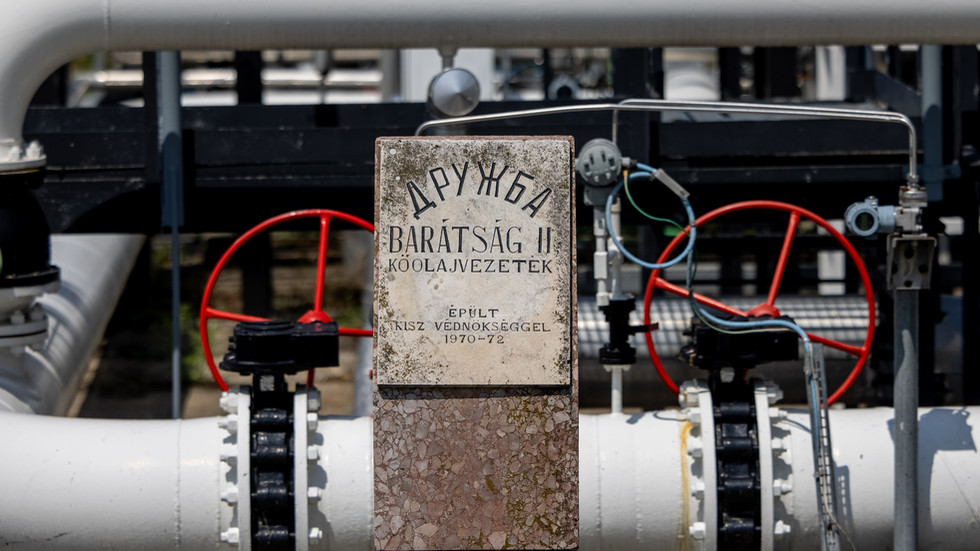
- Reference to the pipeline’s role: "the Soviet‑era Druzhba pipeline, the main artery carrying Russian crude to Hungary and Slovakia" – factual infrastructure detail