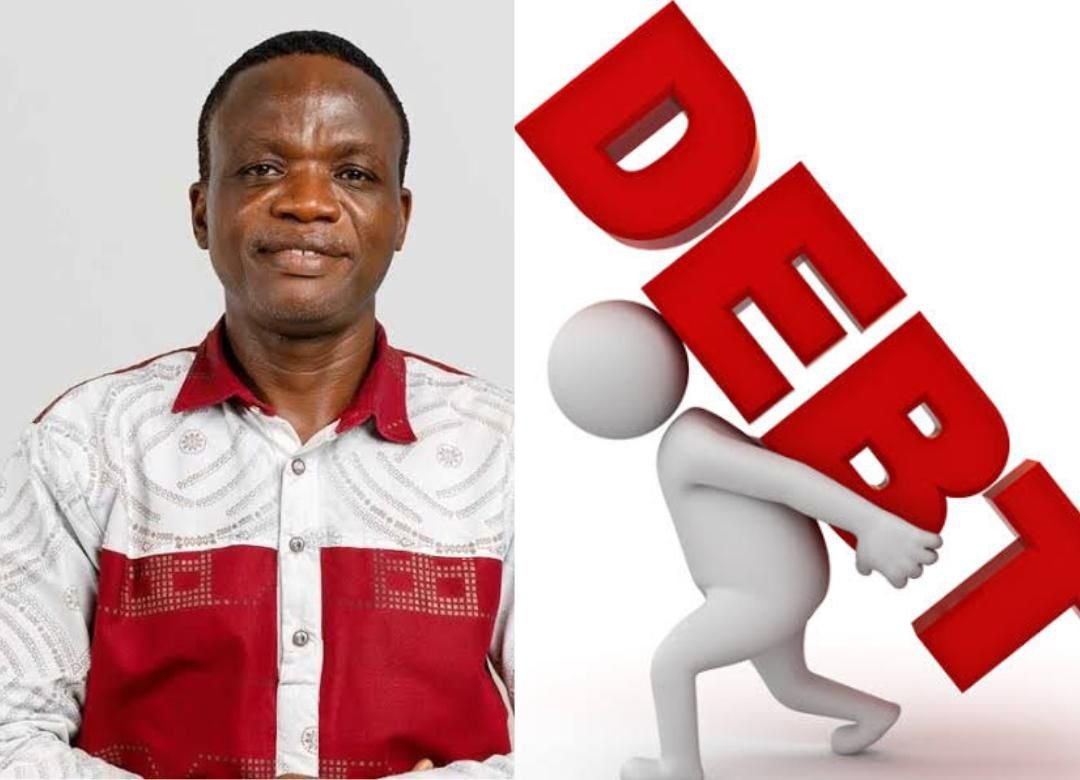
Both analyses agree that Ghana's external debt rose only modestly (about $1.1 bn). The critical perspective flags the flyer for cherry‑picking the larger $61.3 bn total‑debt figure, using alarmist wording and partisan framing, which are classic manipulation cues. The supportive perspective shows that the fact‑check article itself is well‑sourced, neutral, and provides the missing context, suggesting the corrective piece is credible. Weighing the evidence, the original flyer appears manipulative, while the fact‑check is trustworthy, leading to a moderate‑to‑high manipulation rating for the flyer.
Key Points
- Both sides cite the same official data: external debt rose from $28.3 bn to $29.4 bn (≈$1.1 bn).
- The flyer emphasizes the total debt figure ($61.3 bn) without explaining exchange‑rate effects, which the critical perspective calls selective framing.
- Alarmist language (“borrowed $12 billion”, “our debt stands at $61.3 billion”) is highlighted by the critical view as fear‑inducing, while the supportive view notes the fact‑check uses neutral, corrective language.
- The fact‑check article provides verifiable sources (Bank of Ghana, EIB) and clear attribution, supporting its authenticity per the supportive perspective.
- Timing of the flyer near a Commonwealth debt report suggests a possible political motive, a point raised by the critical analysis.
Further Investigation
- Obtain the original flyer to verify exact wording, source, and any omitted qualifiers.
- Break down the $61.3 bn total‑debt figure to show the share affected by exchange‑rate depreciation versus new borrowing.
- Examine the political context and timing of the flyer’s release relative to the Commonwealth debt report to assess possible intent.
The flyer employs selective data, alarmist framing, and partisan attribution to exaggerate the scale of Ghana's borrowing, creating a fear‑based narrative that pits the NDC government against the public. These tactics constitute clear manipulation indicators despite the neutral tone of the subsequent fact‑check.
Key Points
- Cherry‑picks the total dollar‑denominated debt figure ($61.3 bn) while ignoring the modest rise in external debt ($1.1 bn) and exchange‑rate effects.
- Uses alarmist language (“borrowed $12 billion”, “our debt stands at $61.3 billion”) to provoke fear about fiscal mismanagement.
- Attributes the entire debt increase to the NDC government, creating a partisan “us vs. them” framing without presenting alternative explanations.
- Omits critical context about cedi depreciation and domestic‑currency debt, leading readers to infer new borrowing that did not occur.
- Timed close to a forthcoming Commonwealth debt report, potentially aiming to amplify political impact.
Evidence
- “In just a year, NDC has borrowed $12 billion.”
- “As of December 2024, Ghana’s debt was $49.3 billion, but currently, our debt stands at $61.3 billion.”
- The fact‑check notes the flyer “uses alarmist language – ‘borrowed $12 billion’ and ‘our debt stands at $61.3 billion’ – aiming to provoke fear about the government’s fiscal management.”
- The analysis points out that “external debt rose from $28.3 billion in 2024 to $29.4 billion in March 2026—an increase of about $1.1 billion, which is far below the $12 billion claimed.”
- Timing note: “Published on March 21, 2026, the fact‑check appears shortly before a Commonwealth report (March 25, 2026) highlighting public‑debt challenges.”
The fact‑check article demonstrates several hallmarks of legitimate communication: it cites official data, provides detailed context, and maintains a neutral tone without urging immediate action. The author is clearly identified and the analysis is transparent, supporting authenticity.
Key Points
- Explicit references to Bank of Ghana statistics and EIB research provide verifiable sources.
- The narrative explains the underlying mechanisms (exchange‑rate effects) rather than merely asserting a claim.
- Language remains factual and corrective; there is no call for protest, voting, or other urgent behavior.
- The piece attributes the original flyer’s claim to a specific individual and outlet, allowing traceability.
- Balanced presentation includes both the total debt figure and the modest rise in external debt, avoiding cherry‑picking.
Evidence
- “Bank of Ghana data shows that external debt rose from $28.3 billion in 2024 to $29.4 billion in March 2026.”
- “The claim made by Dr George Domfe exaggerates the scale of actual borrowing and is therefore misleading.”
- Byline and affiliation: “By: Isaac Azumah Abilla, EIB Research, Fact‑Check and Investigative Desk.”