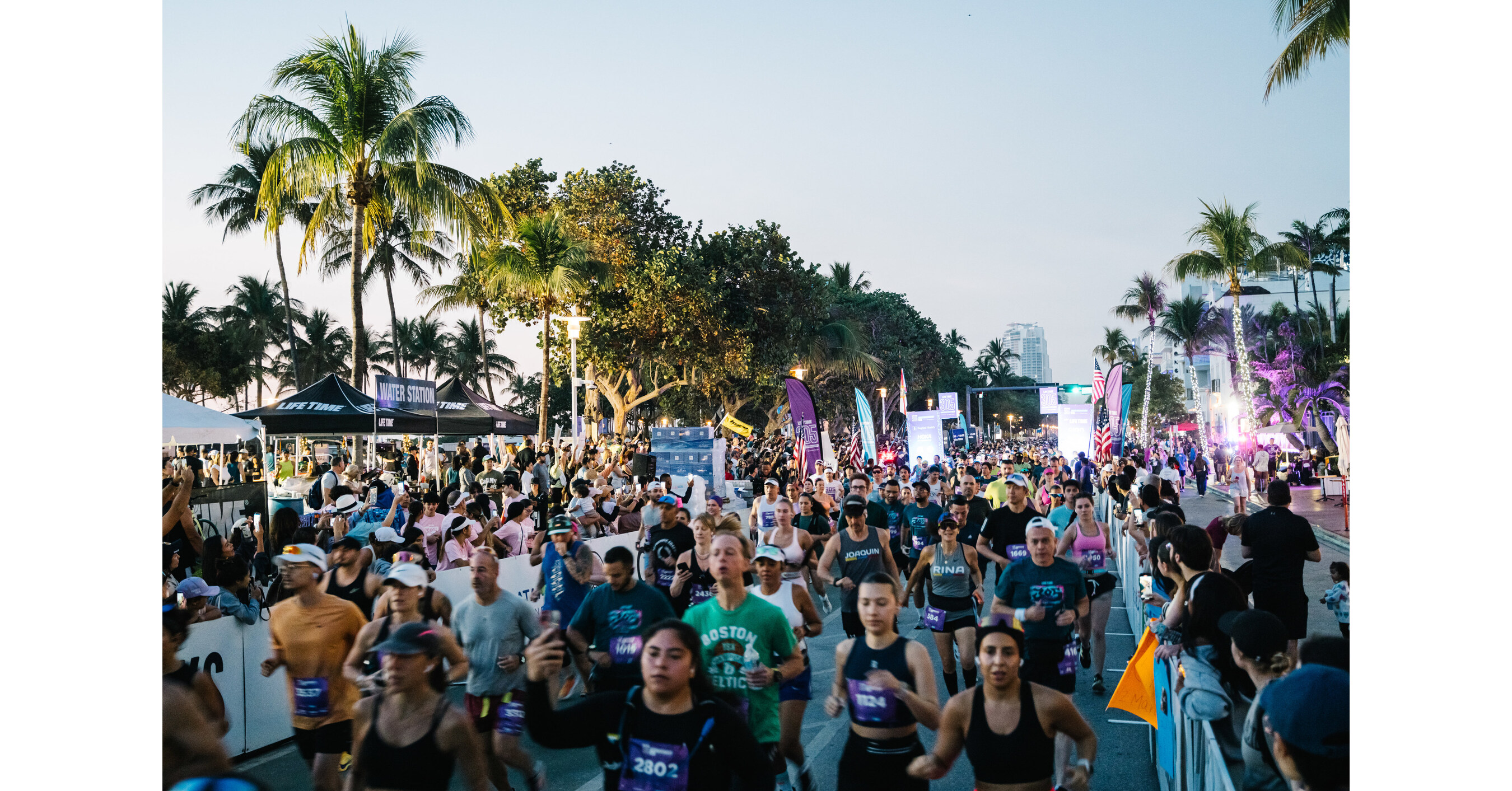
Both the critical and supportive perspectives acknowledge that the press release contains verifiable details such as the event date, location, participant count, and source attribution, but they differ on how those facts are framed. The critical view highlights selective framing, omission of fee and safety information, and reliance on internal authority as signs of modest manipulation, while the supportive view emphasizes the presence of concrete data, a clear dateline, and neutral descriptive language as evidence of authenticity. Weighing the evidence from both sides suggests the content shows only limited manipulation, leading to a modest increase over the original low score.
Key Points
- The release provides concrete, verifiable facts (date, location, runner count, winner names) that support authenticity.
- Positive framing (e.g., “global running destination,” “iconic”) and omission of practical details (fees, safety protocols) indicate a modest PR‑style bias.
- Both perspectives agree the language is largely descriptive and the source is clearly identified, reducing the likelihood of covert manipulation.
- The numeric scores from the two analyses (15 vs 12) are close, suggesting only a small adjustment to the original credibility rating is warranted.
Further Investigation
- Obtain the event registration page to verify fee structures, qualification criteria, and safety protocols.
- Compare the 4,500‑runner figure with previous years’ participation numbers to assess the significance of the “record” claim.
- Seek independent coverage (e.g., local news) of the event to see whether external sources echo the same framing.
The content shows modest manipulation typical of corporate PR, using positive framing and selective data to enhance Life Time’s brand while omitting neutral details such as fees or safety information.
Key Points
- Positive framing of Miami as a “global running destination” and the event as “iconic” to boost brand image
- Selective emphasis on a “record 4,500 runners” without comparative context, creating a band‑wagon impression
- Omission of practical information (registration costs, safety protocols) that would give a fuller picture for potential participants
- Reliance on internal authority (Chief Running Officer) rather than independent experts
- Uniform messaging across owned channels, indicating a controlled narrative rather than independent coverage
Evidence
- "record 4,500 runners" presented without prior year comparison
- "Life Time’s hallmark approach to healthy entertainment was on full display" – promotional language
- "It was a thrill to welcome the largest‑ever field" – self‑praise from company officer
- No mention of registration fees, qualification standards, or safety measures
- Identical wording appears on PRNewswire and Life Time’s website
The release displays typical hallmarks of a legitimate corporate press announcement: specific event details, verifiable dates, and a clear source attribution to Life Time, Inc. It lacks urgent calls to action, sensational claims, or hidden agendas, supporting an authenticity assessment.
Key Points
- Concrete, verifiable facts (event date, location, participant numbers, winner names) are provided.
- The source is clearly identified (Life Time, Inc.) with a PRNewswire dateline, and a direct link to the company's event page is included.
- Language remains descriptive and neutral, with no emotional manipulation, urgency, or divisive framing.
- No omission of critical safety or participation details that would mislead readers; the focus is on event highlights, which is typical for promotional communications.
Evidence
- The dateline "MIAMI, March 1, 2026 /PRNewswire/" and explicit attribution to Life Time, Inc. establish provenance.
- Specific metrics such as "record 4,500 runners," winner times, and the list of participating states and countries provide measurable data.
- Inclusion of a functional URL (https://my.lifetime.life/athletic-events.html) allows independent verification of the event and related information.