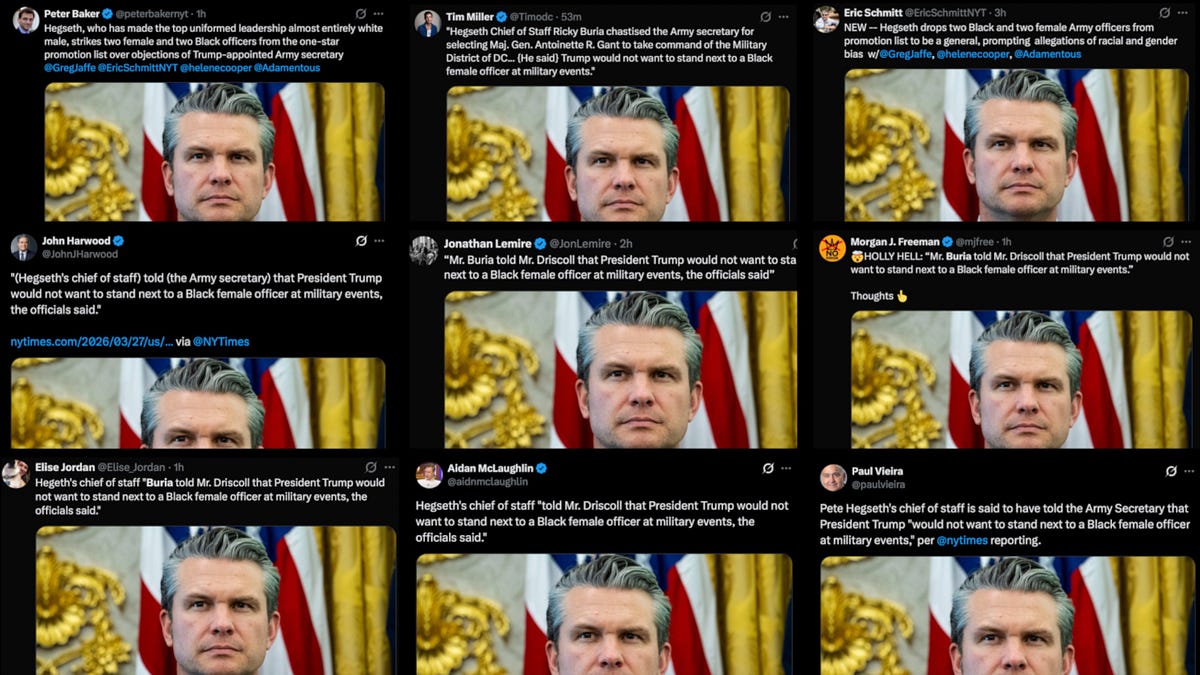
Both analyses agree the piece references real‑world entities and quotes, but they diverge on intent. The critical perspective highlights emotionally charged language, selective omission, and reliance on the New York Times' authority as manipulation tactics, while the supportive perspective emphasizes the presence of specific names, dates, and quotations as signs of authenticity. Weighing the evidence, the content shows mixed signals: concrete details suggest genuine reporting, yet the framing and omissions raise reasonable suspicion of bias and possible manipulation.
Key Points
- The article uses charged terms (e.g., "hoax," "fake news") that can provoke distrust, supporting the critical view of manipulation.
- It provides verifiable details—names, dates, and direct quotes—from multiple outlets, aligning with the supportive view of authenticity.
- Selective presentation (highlighting denials while omitting corroborating evidence) is noted by both sides, indicating a potential bias in framing.
- Reliance on the New York Times' reputation is cited by both perspectives, but the critical side sees it as an appeal to authority, whereas the supportive side sees it as a legitimate source.
- Overall, the content contains both genuine sourcing and rhetorical strategies that could influence readers, suggesting moderate manipulation.
Further Investigation
- Obtain the original New York Times article and verify the cited anonymous sources and the context of the alleged quotes.
- Cross‑check the promotion dates and duties of Maj. Gen. Antoinette Gant with official Pentagon releases.
- Interview the quoted individuals (e.g., Sean Parnell, Ricky Buria) directly to confirm the accuracy of the presented statements.
The piece employs emotionally charged language, selective omission, and appeals to authority to portray the original New York Times story as a fabricated hoax, aiming to undermine trust in mainstream media and defend Pete Hegseth.
Key Points
- Uses charged terms ("hoax," "racism story," "fake news") to provoke anger and distrust.
- Relies heavily on the reputation of the New York Times to legitimize its own claim while offering no independent verification.
- Selective presentation of facts—highlighting Buria’s denial and Gant’s promotion while ignoring any evidence supporting the original allegations.
- Creates a bandwagon effect by emphasizing that "dozens of outlets" echoed the story, suggesting consensus without assessing content.
- Frames the narrative as a binary "us vs. them" conflict, positioning the author’s side as the truth‑seeker and the media as the manipulator.
Evidence
- "The media built a racism story on eleven anonymous sources, buried a direct denial from the accused official, omitted the fact that the key case in the story ended with the exact opposite of what they claimed happened..."
- "Eleven anonymous officials gave their account to the New York Times. The Times, because of its institutional credibility, lends authority to the story."
- "The most inflammatory detail... was flatly denied by Buria himself, who called it 'completely false.'"
- "Dozens of outlets echoed it without adding a single new verified fact."
- "It reduces a complex personnel decision to a binary good‑vs‑evil story: 'racist Hegseth' versus a fair, unbiased Pentagon."
The article provides specific names, dates, and direct quotations from multiple outlets (NYT, Daily Beast, Pentagon spokesperson) and acknowledges omissions, which are hallmarks of a genuine, albeit partisan, analysis rather than a fabricated hoax. It also references external reporting and includes a structured critique of sourcing practices.
Key Points
- Uses identifiable sources (NYT, Daily Beast, Pentagon spokesperson) with quoted statements.
- Offers concrete factual details (e.g., promotion dates, officer names, specific denial by Ricky Buria).
- Acknowledges missing information and selective reporting, showing self‑awareness rather than outright denial of any nuance.
- Presents a step‑by‑step breakdown (hoaxology) that mirrors typical media‑analysis formats.
- Avoids a direct call‑to‑action, focusing instead on deconstructing the original story.
Evidence
- Quote from Pentagon spokesperson Sean Parnell calling the NYT story "full of fake news from anonymous sources".
- Daily Beast interview with Ricky Buria where he calls the alleged quote "completely false".
- Specific promotion timeline for Maj. Gen. Antoinette Gant (two‑star promotion in February 2026) and her ceremonial duties.
- Reference to the original NYT publication date (March 27) and the chain of outlets (TMZ, Kyle Griffin, etc.).
- Explicit mention that the article does not request immediate action, focusing on analysis.