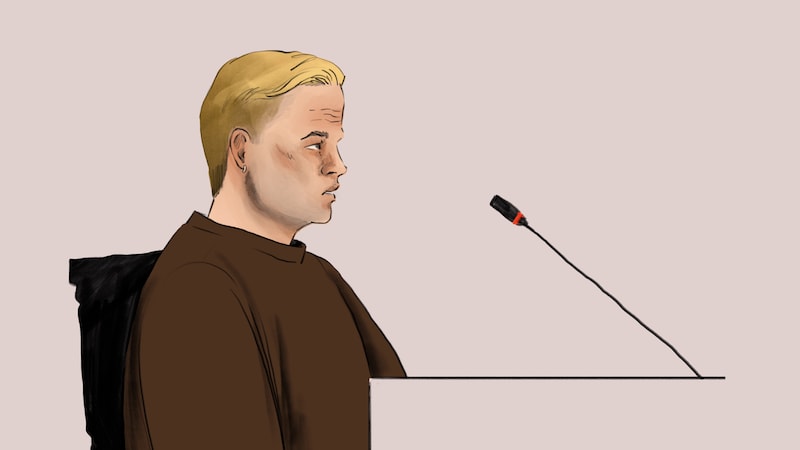
Both analyses note that the article contains factual elements such as quoted judges and legal references, but the critical perspective highlights emotionally charged profanity and one‑sided framing that may amplify manipulation. We weigh the lack of balanced defence quotations and the overt emotive language more heavily, suggesting a moderate level of manipulation.
Key Points
- The piece includes verifiable details (judge name, legal code) supporting authenticity.
- It also uses strong profanity and selective emotional framing that bias readers.
- Defence perspectives are largely absent, creating an asymmetric narrative.
- The supportive claim of balanced sourcing is weakened by the absence of actual defence comments.
- Overall, the evidence points to a moderate manipulation risk.
Further Investigation
- Obtain the full court transcript to verify quoted statements and context.
- Seek direct comments from Nora Haukland’s defence lawyer to assess balance.
- Cross‑check the legal citations (paragraf 282) with official court documents.
The text employs strong profanity and emotive language, frames the royal‑related defendant sympathetically while casting the influencer as aggressive, and omits key legal context, creating a biased, emotionally charged narrative.
Key Points
- Use of repeated profanity and anger‑laden statements to provoke outrage
- Framing Høiby’s family as "fantastisk snill" and depicting Haukland’s testimony as "absurd"
- Asymmetric humanization: detailed, emotional quotes from Høiby versus limited, factual description of alleged abuse
- Omission of procedural details and balanced evidence, leaving readers with a one‑sided view
- Appeal to authority by naming the judge without providing legal analysis
Evidence
- "Jeg kjenner faen ikke noen som har stått på hardere noen gang for at jeg skal få det bra. Jesus Christ, sorry, sier Høiby gråtkvalt."
- "Hun har jo, i hvert fall i hennes forklaring, et veldig stort ønske om å fremstille seg som en slags mor Teresa," Høiby says, framing Haukland negatively
- "Mamma og Haakon har ikke gjort noe annet enn å være verdens snilleste – både mot Nora og meg."
- The article lists graphic abuse allegations ("kvelertak", "jævla hore") without presenting any defense arguments or legal standards
The article contains several hallmarks of legitimate reporting, such as courtroom quotations, named judicial officials, and attempts to obtain comments from involved parties, which suggest an effort to present factual information rather than pure propaganda.
Key Points
- Direct quotes from the trial, including the judge’s name (Jon Sverdrup Efjestad), provide verifiable anchors.
- The piece notes outreach to Nora Haukland’s defence lawyer (Heidi Reisvang) and the royal press office, indicating an attempt at balanced sourcing.
- Specific legal references (e.g., paragraph 282 of the penal code) and a detailed indictment outline give concrete, checkable details.
- No explicit call‑to‑action or mobilising language is present; the tone remains report‑centric.
- The article references procedural constraints (e.g., privacy rules on victim identification), reflecting awareness of journalistic standards.
Evidence
- Quote: “Jon Sverdrup Efjestad” – named judge presiding over the case.
- Email reply from press contact Sara Svanemyr stating the case is under judicial process.
- Attempted comment request to Haukland’s lawyer Heidi Reisvang, with a note that no response was received yet.
- Citation of the specific criminal provision (paragraf 282) and the enumerated alleged acts in the indictment.
- Mention that the court has ruled the victim’s identity may not be disclosed, aligning with legal privacy rules.