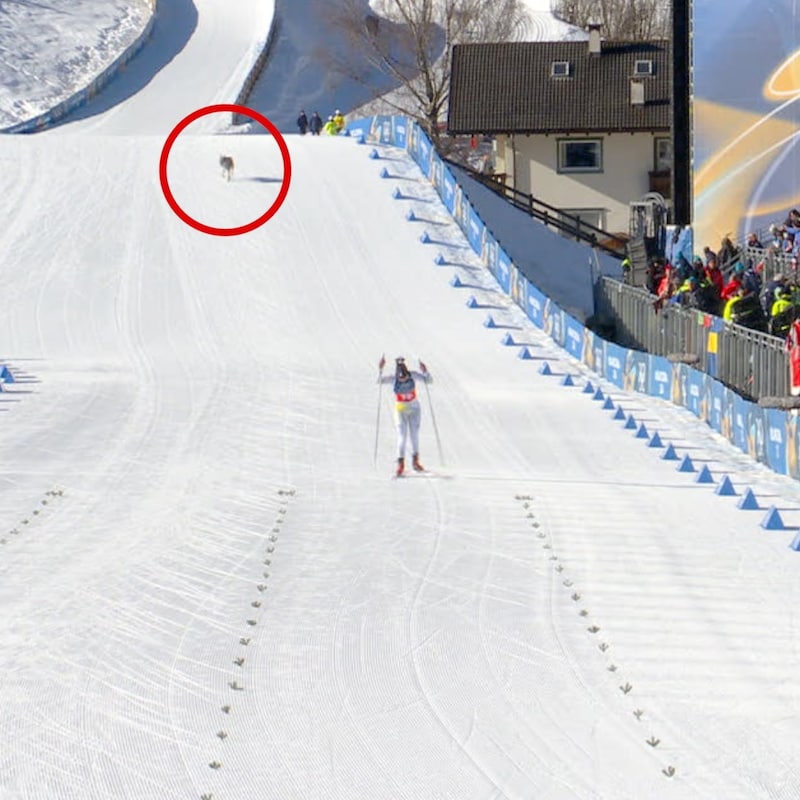
Both the critical and supportive perspectives agree that the article is a light‑hearted, factual recount of a dog entering an Olympic ski course, with no overt persuasion or urgent calls to action. While the critical view notes minor emotional language and omitted context, the supportive view highlights the presence of multiple quotes and an expert source, suggesting ordinary news reporting. Weighing the evidence, the content shows only minimal manipulation risk, supporting a low manipulation score.
Key Points
- The article includes direct quotes from athletes, a commentator, and a dog‑school instructor, indicating standard reporting practice.
- Both perspectives observe the absence of urgent calls to action, sensational language, or divisive framing.
- The critical perspective points out missing contextual details (owner, race‑organiser response) that could improve completeness but does not constitute deception.
- Overall manipulation cues are weak; the supportive perspective’s emphasis on balanced sourcing strengthens the credibility assessment.
Further Investigation
- Identify the dog’s owner and any statements they provided
- Obtain an official response from race organisers regarding safety protocols
- Verify the video source and any additional eyewitness accounts to confirm the event’s details
The article primarily offers a light‑hearted, anecdotal recount of a dog on an Olympic ski course, showing minimal emotional manipulation, no urgent calls to action, and no clear agenda, resulting in a low overall manipulation profile.
Key Points
- The piece relies on a handful of quoted athletes and a commentator, but does not use authority overload to legitimize a narrative.
- It frames the incident as quirky and surprising, using mild emotional language (“merkelig”, “sykt”) without invoking fear, guilt, or outrage.
- Significant contextual details are omitted (e.g., the dog’s owner, official race‑organiser response), leaving the story incomplete but not overtly deceptive.
- There is no tribal or divisive framing, no appeal to group identity, and no call for immediate action, indicating an absence of coordinated persuasion tactics.
Evidence
- "– Det er et merkelig syn i løypa her, sa NRK‑kommentator Jann Post..."
- "– Det var sykt, sier svenske Maja Dahlqvist i en rask kommentar til VG..."
- "Jeg så på Instagram for kanskje fem dager siden en video der en hund kom ut i løypa ... Og jeg tenkte ‘Ok, så morsomt’..."
- "– Jeg ble redd..."
- "Alle snakker om hunden, den er berømt nå!"
The piece shows several hallmarks of ordinary news reporting: it names multiple on‑scene participants, includes direct quotes, references an external expert, and avoids overt calls to action or sensational framing.
Key Points
- Multiple athletes from different nations are quoted, providing a variety of perspectives
- The article cites a dog‑school instructor as an independent expert on the animal’s breed
- No urgent or persuasive language is used; the tone remains descriptive and neutral
Evidence
- "– Det er et merkelig syn i løypa her, sa NRK‑kommentator Jann Post..."
- "VG har vært i kontakt med Ror Kjønstad ved Oslo Hundeskole og hundeinstruktør Ane Gerotti."
- "– Jeg så på Instagram for kanskje fem dager siden en video der en hund kom ut i løypa..."